Maintaining good oral hygiene goes beyond just brushing and flossing at home. While these habits are essential, visiting your dentist for regular dental cleanings is equally important. But why exactly are these cleanings so critical? If you’ve ever wondered why regular dental cleanings matter for oral health, you’re not alone. In this article, we’ll dive into why these professional cleanings are essential for more than just a fresh smile.
What Are Dental Cleanings?
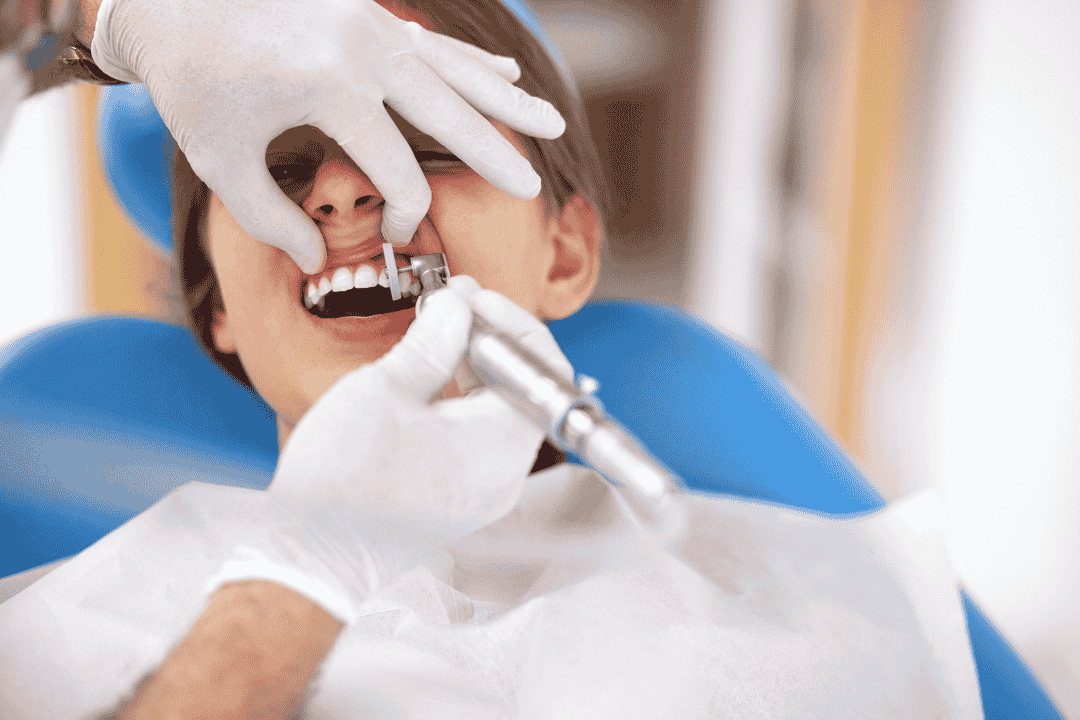
Dental cleanings are professional teeth-cleaning procedures performed by a dentist or dental hygienist. Unlike your daily brushing routine, these cleanings go deeper to remove plaque, tartar, and stains that regular brushing can’t reach. They help prevent gum disease, tooth decay, and other oral health issues by maintaining the cleanliness and health of your mouth.
But what makes professional cleanings so special, and how often should you be getting them? Let’s explore.
How Often Should You Get a Dental Cleaning?
Most dentists recommend that you get a professional cleaning every six months. However, if you’re dealing with certain conditions like gum disease, your dentist may advise more frequent visits, possibly every three to four months. These regular cleanings, combined with good at-home hygiene, are the perfect recipe for long-term oral health. For a more thorough approach, dental deep cleaning by Dr Arthur Yeh is a great option to ensure optimal gum and tooth health, especially if you have underlying periodontal issues.
Why Regular Dental Cleanings Matter for Oral Health
1. Prevent Plaque Buildup
Plaque is that sticky, colorless film that forms on your teeth after eating. While brushing and flossing can remove most of it, there are areas in your mouth that are harder to reach, leading to a buildup over time. If left untreated, plaque can harden into tartar, which requires professional tools to remove.
- Why this matters: Plaque and tartar are the root causes of many oral health problems, including cavities and gum disease. Regular dental cleanings help you stay on top of this buildup and prevent more serious issues down the line.
2. Reduce the Risk of Gum Disease
Gum disease (or periodontal disease) is an infection of the gums that, if untreated, can lead to tooth loss. One of the leading causes of gum disease is poor oral hygiene, particularly the buildup of plaque and tartar near the gumline.
- Why this matters: Regular dental cleanings can remove plaque and tartar that accumulate along the gumline, helping to reduce inflammation and prevent gum disease from developing or progressing. Your dental hygienist will also check for early signs of gum disease during the cleaning, allowing for timely treatment.
3. Catch Oral Health Issues Early
Your dentist or dental hygienist does more than just clean your teeth during your appointment. They also examine your mouth for signs of potential issues like cavities, gum disease, or even oral cancer. Detecting these issues early can save you from more painful and expensive treatments in the future.
- Why this matters: Early detection is key when it comes to oral health. Regular cleanings give your dentist the chance to catch problems before they escalate, helping you maintain your oral health with less hassle.
4. Fresher Breath
No one likes bad breath, and it’s often caused by bacteria in your mouth. Even with consistent brushing and flossing, food particles can get trapped in hard-to-reach areas, leading to bacterial buildup and eventually, bad breath.
- Why this matters: Regular dental cleanings can eliminate the buildup of bacteria and food particles that contribute to halitosis (chronic bad breath). After your cleaning, you’ll leave the dentist’s office with a fresher, more pleasant breath.
5. Brighter, Whiter Smile
Over time, certain foods, drinks, and even habits like smoking can cause your teeth to become stained. While brushing and at-home whitening treatments may help to some extent, professional dental cleanings provide a much more thorough solution.
- Why this matters: Regular cleanings can help remove surface stains, leaving you with a whiter, brighter smile. While not a replacement for cosmetic whitening treatments, they can help maintain your smile’s brightness over time.
6. Prevent Tooth Decay
Tooth decay occurs when acids produced by bacteria in your mouth start to break down your tooth enamel. This often leads to cavities, which can cause pain and require fillings or crowns to repair. While brushing and flossing can reduce your risk of cavities, regular dental cleanings add an extra layer of protection.
- Why this matters: Cleanings remove plaque and tartar that contribute to tooth decay, effectively reducing your chances of developing cavities. It’s a proactive approach to maintaining strong and healthy teeth for the long haul.
7. Improve Overall Health
Oral health is closely linked to your overall health. Studies have shown that poor oral hygiene can lead to various systemic conditions, such as heart disease, diabetes, and stroke. Keeping your mouth healthy may have a positive impact on your overall well-being.
- Why this matters: By staying on top of your oral health with regular dental cleanings, you’re not just protecting your teeth and gums; you’re also taking care of your body as a whole.
8. Avoid Costly Dental Procedures
Preventive care is almost always less expensive than corrective treatments. Regular dental cleanings help prevent the need for more costly procedures like root canals, extractions, or dental implants.
- Why this matters: Investing in routine cleanings now can save you a lot of money and discomfort in the future. It’s a small effort for a big payoff.
What to Expect During a Dental Cleaning?
If it’s been a while since your last cleaning, you might be wondering what happens during the procedure. Here’s a step-by-step breakdown of what to expect:
1. Initial Examination
Before starting the cleaning, your dental hygienist will perform an initial examination of your mouth. They’ll look for signs of cavities, gum disease, or any other oral health issues.
2. Plaque and Tartar Removal
Using a small scaler, the hygienist will carefully remove plaque and tartar from the surface of your teeth and around your gumline. This step is crucial in preventing cavities and gum disease.
3. Deep Cleaning
After the plaque and tartar are removed, the hygienist will clean your teeth with a high-powered electric toothbrush and gritty toothpaste, which helps remove any remaining stains.
4. Flossing
Even if you floss daily at home, professional flossing ensures that all debris is cleared from between your teeth, leaving your mouth completely clean.
5. Fluoride Treatment
Some cleanings include a fluoride treatment, which strengthens your enamel and helps prevent cavities. This is especially important for kids or adults prone to tooth decay.
Conclusion
If you’ve ever wondered why regular dental cleanings matter for oral health, the answer is clear: they play a vital role in preventing plaque buildup, reducing the risk of gum disease, catching oral health issues early, and improving your overall well-being. So, don’t delay your next dental cleaning! Scheduling regular visits with your dentist ensures that your smile stays bright, healthy, and free from future complications.
Remember, good oral health is a key part of a healthy lifestyle. And the more proactive you are about it, the better!
 Daily Vibes