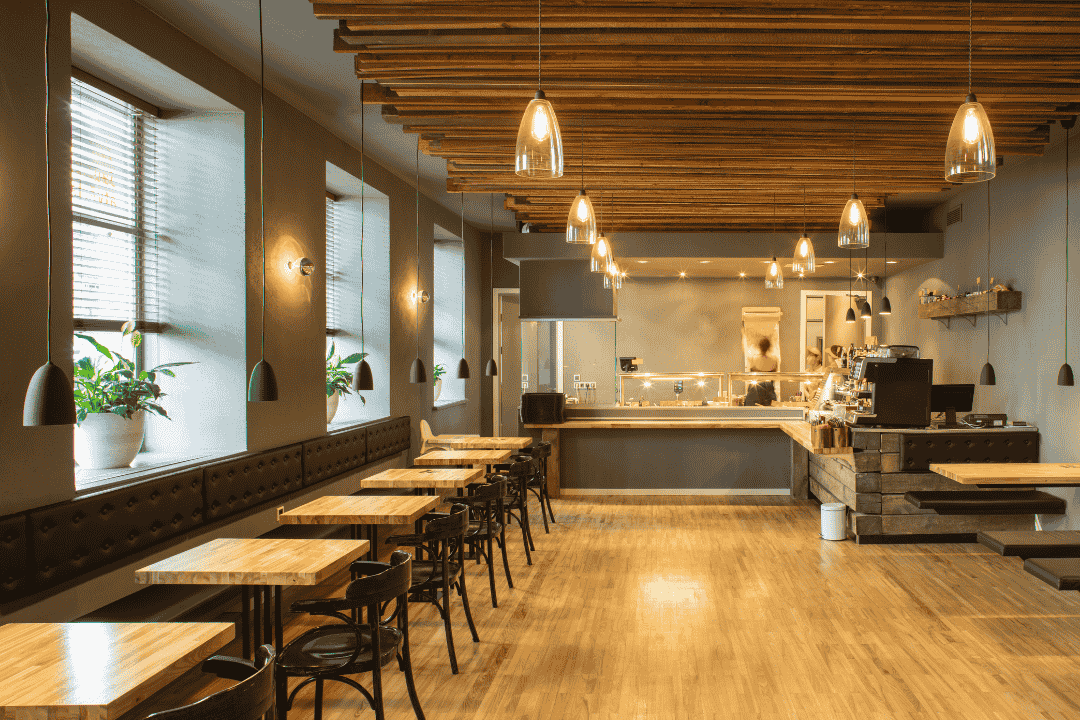
Starting a restaurant is an exciting venture, but to ensure long-term success, it’s crucial to focus on more than just the menu. The design and build of your restaurant play a significant role in customer experience, operational efficiency, and overall profitability. Whether you’re opening a new establishment or remodeling an existing one, adopting the right strategies is key to making your restaurant a hit. In this article, we’ll explore the top restaurant design and build strategies for long-term success, covering everything from interior design to technology integration.
Why Restaurant Design Matters for Success
Your restaurant’s design isn’t just about aesthetics; it’s about creating an environment where customers feel comfortable, employees can work efficiently, and the business can operate smoothly. A well-thought-out design improves workflow, reduces bottlenecks, and enhances the overall dining experience, leading to customer satisfaction and repeat visits. The build process, on the other hand, focuses on the infrastructure and layout that support this design. When done right, your restaurant can stand the test of time, both structurally and in terms of customer appeal.
The Importance of Concept Development
What is Restaurant Concept Development?
Before diving into construction and design, it’s crucial to define your restaurant’s concept. The concept is the backbone of your design choices, influencing everything from the menu to the decor. Are you creating a fine-dining experience or a fast-casual joint? Your concept should be aligned with your target audience’s preferences, the location’s culture, and current dining trends.
How to Define Your Concept
- Identify your target audience
- Research competitors in your area
- Understand the local culture and trends
- Align the menu with the overall vibe
How Concept Impacts Design
Once you’ve nailed down the concept, the design naturally follows. For instance, a fine-dining restaurant may opt for luxurious materials like velvet seating and dim lighting, whereas a casual eatery might prefer bright colors and communal tables. The key is to ensure your design choices make sense for your audience and enhance the overall dining experience.
Space Planning: Maximize Every Square Foot
Why Space Planning is Crucial
In the restaurant business, space is money. Poor space planning can lead to crowded dining areas, inefficient kitchens, and unhappy staff. On the flip side, smart space planning ensures optimal workflow, maximized seating capacity, and a pleasant dining experience. For those in need of professional equipment, a kitchen supply store in Dallas can provide the tools necessary to enhance kitchen efficiency and optimize space utilization.
How to Plan Your Restaurant Space
- Identify high-traffic zones: These areas, like entryways and bar counters, need to accommodate more movement and should be easily accessible.
- Balance seating: Depending on your concept, you may want a mix of large communal tables, intimate two-seaters, or booths for groups.
- Efficient kitchen layout: Your kitchen should allow for smooth workflow, minimizing the distance between prep stations, storage, and the serving area.
Flexibility in Space Design
One of the top restaurant design and build strategies for long-term success is creating flexible spaces. This means that your restaurant can adapt to different customer needs or even future trends. Consider movable walls or furniture that can easily be reconfigured for private events or large parties.
Interior Design: Setting the Tone
How Interior Design Impacts Customer Experience
The interior design of your restaurant sets the first impression for customers. It not only reflects your concept but also dictates the comfort and ambiance of the space. From the color scheme to the seating arrangements, every detail should serve a purpose.
Key Interior Design Elements
- Lighting: Proper lighting can create the right mood. For example, dim, warm lighting is great for intimate settings, while bright lighting works well in casual eateries.
- Seating: Comfortable seating is a must. Choose materials that are not only stylish but also easy to clean and maintain.
- Color Scheme: Colors can evoke different emotions. Warmer tones like red and orange are said to stimulate appetite, while cooler tones may create a more relaxed atmosphere.
- Soundproofing: Acoustic design is often overlooked, but managing sound levels is key to ensuring your customers can enjoy their meals without overwhelming noise from the kitchen or other diners.
Incorporating Brand Identity
Your restaurant’s interior should reflect your brand. For instance, if your restaurant is eco-friendly, you might want to include sustainable materials in your design. If you’re a family-friendly place, playful, welcoming decor can make a difference. Branding through design not only enhances the customer experience but also sets you apart from competitors.
Kitchen Layout: The Heart of the Operation
Why an Efficient Kitchen Layout is Key
The kitchen is the core of any restaurant, and its layout directly affects how smoothly your operations run. A well-designed kitchen minimizes the time spent moving between stations and ensures that the food is prepared efficiently.
Key Considerations for Kitchen Layout
- Workstations: Ensure that prep areas, cooking stations, and cleaning areas are logically placed to reduce cross-traffic.
- Storage: Keep frequently used ingredients and tools within easy reach. Bulk storage can be placed in the back of the house to keep the workspace clutter-free.
- Ventilation: Adequate ventilation is crucial for both staff comfort and maintaining food safety standards.
- Safety: Ensure compliance with safety standards by providing enough room for fire exits, proper waste disposal areas, and easy access to first aid kits.
Technology Integration: Future-Proofing Your Restaurant
How Technology Enhances Restaurant Operations
In today’s fast-paced world, integrating technology is one of the top restaurant design and build strategies for long-term success. From kitchen management software to customer-facing digital solutions, technology can streamline operations, improve customer experience, and even reduce costs.
Key Technologies to Consider
- Point of Sale (POS) Systems: Modern POS systems do more than just process payments. They track inventory, manage reservations, and offer valuable data on customer behavior.
- Online Reservations: Offering customers the ability to book tables online is almost a necessity in the digital age.
- Digital Menu Boards: These are a great way to dynamically change offerings and highlight specials, making it easier to update your menu as needed.
- Smart Kitchen Equipment: Appliances like smart ovens and refrigerators can help monitor temperatures, reducing energy costs and improving food safety.
Sustainability: Building for the Future
Why Sustainability is a Must
With growing awareness around environmental issues, sustainability isn’t just a trend—it’s a necessity. Restaurants that adopt eco-friendly practices not only appeal to conscious consumers but also benefit from reduced energy costs and waste management expenses.
Sustainable Design Strategies
- Energy-Efficient Lighting and Appliances: Opt for LED lighting and Energy Star-rated kitchen equipment to reduce energy consumption.
- Water Conservation: Install low-flow faucets and dishwashers to minimize water usage.
- Sustainable Materials: Use eco-friendly materials like reclaimed wood, bamboo, and recycled metals for your decor and furniture.
Conclusion: Design for Today and Tomorrow
The top restaurant design and build strategies for long-term success are all about creating a seamless blend of aesthetics, functionality, and sustainability. By carefully planning your space, choosing the right design elements, optimizing kitchen workflow, and integrating technology, you set the foundation for a thriving restaurant that stands out in a competitive market. Don’t forget to incorporate your brand’s identity and think about future flexibility as trends and customer needs evolve. With these strategies in place, your restaurant will not only impress on opening day but continue to thrive for years to come.
 Daily Vibes