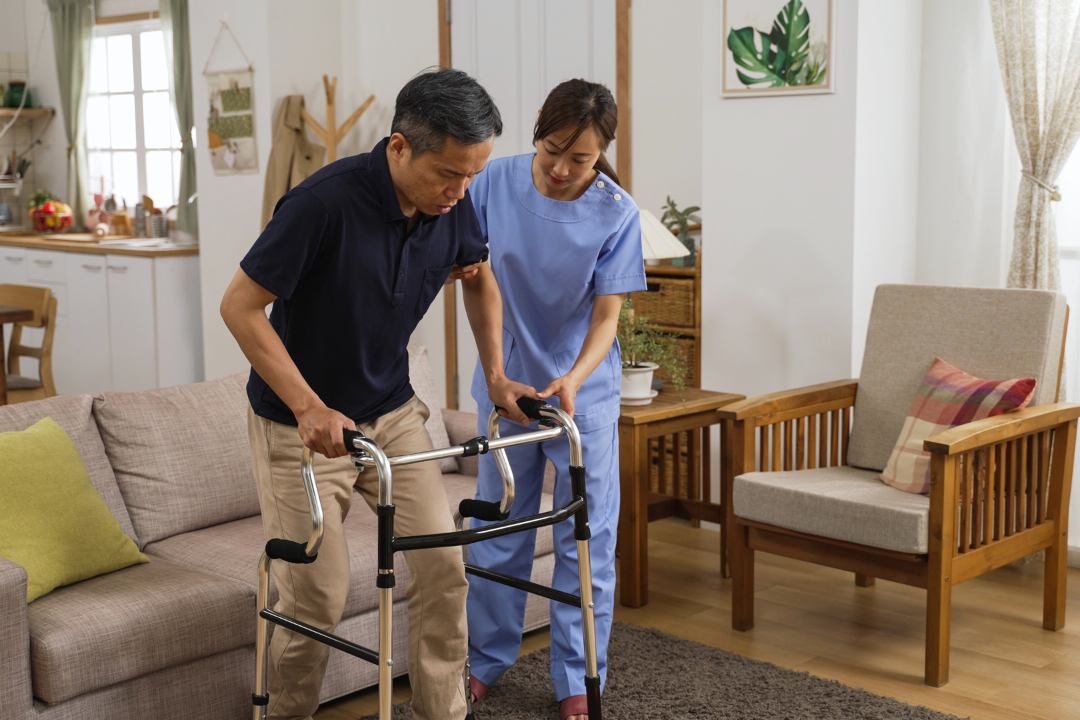
Experiencing a stroke can be a life-changing event, leaving survivors to navigate new physical and emotional challenges. However, with the right rehabilitation program, stroke survivors can make significant strides in regaining functionality and independence. Rehab offers more than just physical improvement; it also provides essential mental and emotional support, empowering survivors on their journey to recovery.
In this article, we’ll explore how stroke survivors can regain functionality through rehab, from the initial stages of recovery to advanced therapeutic techniques that promote mobility, cognitive function, and emotional well-being.
1. Understanding Stroke and Its Impact on Functionality
What Happens During a Stroke?
A stroke occurs when blood flow to the brain is disrupted, either by a clot or a ruptured blood vessel. This lack of oxygen and nutrients damages brain cells, often resulting in varying degrees of disability. The extent of the damage depends on factors such as the type of stroke, the area of the brain affected, and how quickly treatment was administered.
Effects of Stroke on Functionality
Strokes can impact various abilities, such as:
- Mobility and Muscle Control: Weakness or paralysis, often on one side of the body.
- Speech and Communication: Aphasia, or difficulty with language, can affect speaking, reading, and writing.
- Cognitive Skills: Challenges with memory, focus, and problem-solving.
- Emotional Well-being: Increased risk of depression, anxiety, and mood swings.
Each of these challenges requires a tailored approach in rehabilitation to help regain functionality and quality of life.
2. How Stroke Survivors Can Regain Functionality Through Rehab: The Process
The Role of Early Intervention
The sooner a stroke survivor begins rehabilitation at a paralysis rehabilitation centre, the better their chances of recovery. Early intervention maximizes neuroplasticity, the brain’s ability to adapt and reorganize itself. Rehabilitation efforts during this phase are crucial, as they help the brain form new neural pathways to regain lost functions.
Steps in Stroke Rehabilitation
Stroke rehabilitation typically progresses through several stages, including:
- Acute Care: Immediately after the stroke, the focus is on medical stability, preventing complications, and beginning gentle exercises.
- Inpatient Rehabilitation: Intensive therapies are started in a hospital or rehab facility. Physical, occupational, and speech therapy become integral parts of daily life.
- Outpatient and Home-Based Rehab: After discharge, outpatient sessions or home-based rehab allow for continued progress. Patients may continue working on their mobility, strength, and cognitive skills.
- Long-Term Maintenance: Even after formal rehab, many survivors benefit from ongoing exercises and lifestyle adjustments to maintain their gains.
3. Key Therapies That Support Stroke Recovery
Physical Therapy: Regaining Mobility and Strength
Physical therapy is one of the main pillars of stroke rehabilitation, focusing on exercises that improve balance, strength, and flexibility.
Techniques in Physical Therapy
- Range-of-Motion Exercises: Stretching and moving joints to prevent stiffness and improve mobility.
- Strengthening Exercises: Using weights, resistance bands, or bodyweight exercises to build muscle strength.
- Balance Training: Exercises that improve coordination, making it safer to walk or stand independently.
Occupational Therapy: Rebuilding Everyday Skills
Occupational therapy (OT) focuses on helping survivors regain their ability to perform daily tasks, such as dressing, cooking, and bathing. OT can also involve relearning skills like writing or using a computer, which are essential for work and personal life.
Adaptive Tools in Occupational Therapy
Occupational therapists often introduce adaptive tools like reachers, grab bars, or specialized utensils to make daily tasks more manageable. This independence contributes significantly to survivors’ confidence and quality of life.
Speech Therapy: Addressing Communication Challenges
Stroke survivors often experience communication difficulties due to aphasia or dysarthria (difficulty controlling the muscles used in speech). Speech-language pathologists (SLPs) work with patients to improve their ability to communicate.
Methods in Speech Therapy
- Language Exercises: SLPs help patients practice forming words and sentences.
- Alternative Communication Tools: For severe cases, tools such as communication boards or apps can assist patients in expressing themselves.
- Swallowing Therapy: Strokes can impact swallowing, so SLPs often include exercises to strengthen the muscles involved in this process.
4. Exploring New and Innovative Rehabilitation Techniques
Robotic-Assisted Therapy
Robotic-assisted devices have become popular in stroke rehabilitation, particularly for rebuilding motor skills in the arms and legs. These devices provide patients with controlled, repetitive movements that encourage muscle memory and regain function.
Virtual Reality Therapy
Virtual reality (VR) offers an immersive and interactive approach to rehab, allowing patients to engage in virtual activities that replicate real-life tasks. VR can also make rehab more enjoyable, helping to improve patient motivation and adherence to exercises.
Mirror Therapy
Mirror therapy is particularly effective for stroke survivors with limited movement in one side of the body. By using a mirror to reflect the unaffected side, patients can trick their brain into “seeing” movement in the affected side, which promotes recovery.
5. How Stroke Survivors Can Regain Functionality Through Rehab: The Mental Health Component
Coping with Emotional Changes
The journey to recovery can be emotionally taxing. Many stroke survivors face frustration, anxiety, or depression as they navigate their new reality. Mental health professionals provide counseling and coping strategies to help patients adjust emotionally.
Support Groups and Peer Connection
Connecting with others who’ve experienced similar challenges can be incredibly comforting. Support groups, both in person and online, provide stroke survivors with a sense of community and shared understanding, reducing feelings of isolation.
6. Practical Tips for Stroke Survivors and Caregivers
Tips for Survivors
- Stay Consistent with Therapy: Progress may be slow, but consistency is key to regaining function.
- Celebrate Small Wins: Every bit of progress matters, so celebrate even the smallest milestones.
- Stay Positive and Patient: Recovery is a journey, and maintaining a positive mindset can make a big difference.
Tips for Caregivers
- Encourage Independence: Support the survivor’s efforts to complete tasks independently, even if it’s challenging.
- Stay Educated: Understanding stroke recovery and rehabilitation can help you provide better support.
- Take Care of Yourself: Caregiving is demanding, so remember to prioritize your own well-being, too.
7. How Stroke Survivors Can Regain Functionality Through Rehab: Overcoming Common Obstacles
Managing Fatigue
Fatigue is common among stroke survivors, so pacing is essential. Balancing rest with rehab activities ensures energy is preserved for critical exercises.
Dealing with Plateaus in Progress
Recovery often comes in waves, with plateaus that may feel discouraging. It’s essential to remember that these periods are a natural part of the healing process. Therapists can modify routines or introduce new exercises to push through these plateaus.
Building Resilience and Motivation
Rehabilitation can be repetitive, making it challenging to stay motivated. Some strategies to combat this include setting realistic goals, tracking progress, and incorporating fun activities that keep therapy engaging.
Conclusion: Embracing Hope and Progress Through Rehabilitation
Recovering from a stroke is undoubtedly a journey, but it’s a journey filled with potential for growth and improvement. Rehabilitation provides stroke survivors with the tools, support, and therapies needed to regain functionality, independence, and confidence. From physical and occupational therapy to mental health support, every aspect of rehab works together to help stroke survivors rebuild their lives.
With continued advancements in rehabilitation techniques, including innovative tools like VR and robotic therapy, the future of stroke recovery is bright. Stroke survivors who embrace rehabilitation can look forward to making meaningful strides in their journey toward independence, mobility, and a fulfilling life.
 Daily Vibes