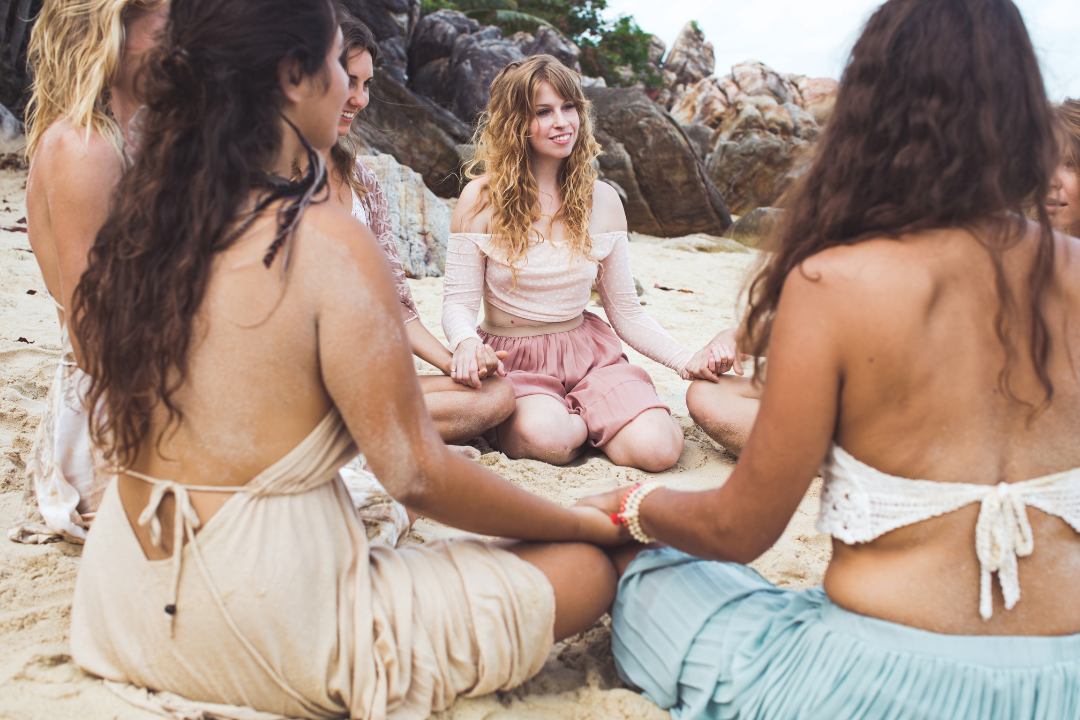
In times of stress, grief, or personal challenges, finding support can make a significant difference in one’s journey toward healing. One increasingly popular method of seeking solace and self-discovery is through group retreats. Unlike traditional self-care methods, group retreats bring people together, often in peaceful, scenic settings, to foster community, growth, and collective healing. But how do group retreats offer support and shared healing? What makes them so transformative? In this article, we’ll delve into the unique benefits of group retreats and why they’ve become a sanctuary for many seeking understanding, compassion, and connection.
What Are Group Retreats?
Group retreats are structured getaways that blend relaxation, therapy, and self-improvement activities with a focus on collective healing. These retreats typically take place in serene locations, often far removed from everyday hustle and bustle. Participants engage in various activities like group discussions, meditation sessions, and wellness exercises. Whether focused on mental health, emotional growth, or spiritual awakening, group retreats provide a safe space to open up and connect.
Different Types of Group Retreats
- Therapeutic Retreats: Centered around mental and emotional well-being, these retreats often include therapy sessions and workshops designed to help participants process feelings and challenges.
- Wellness Retreats: Focusing on physical and mental rejuvenation, wellness retreats may offer yoga, meditation, fitness, and nutritional guidance.
- Spiritual Retreats: These retreats emphasize self-discovery, inner peace, and spiritual growth. Activities might include meditation, chanting, or mindfulness exercises.
- Creative Retreats: Perfect for artists, writers, and creators, creative retreats encourage self-expression and personal growth through art and creativity.
How Group Retreats Offer Support and Shared Healing
1. Building a Supportive Community
Group retreats are designed to foster a sense of community and mutual understanding. Many individuals arrive at a retreat feeling isolated by their personal struggles, but they leave with a network of support and companionship.
Finding Comfort in Shared Experiences
One of the primary ways group retreats offer support and shared healing is by bringing together people with similar experiences. By participating in group discussions and sharing personal stories, participants quickly realize they are not alone in their feelings and challenges. This shared understanding is powerful, creating a sense of relief and reducing feelings of isolation, all of which are central to the experience at Mallorca Soul.
2. Guided Healing Activities
The structure of group retreats usually includes a range of activities carefully crafted to promote healing and self-discovery. Guided meditation, art therapy, journaling exercises, and group counseling are just a few examples of therapeutic activities found at a group retreat.
Benefits of Meditation and Mindfulness
Meditation and mindfulness practices help participants ground themselves and become more present. These activities reduce anxiety and stress, helping people gain clarity and calm, which are essential steps in any healing process.
Role of Group Counseling Sessions
Professional counselors often lead group therapy sessions, helping participants confront and process difficult emotions. Group counseling is beneficial because it allows individuals to witness others’ journeys, which often brings fresh perspectives and a sense of empathy.
3. Gaining New Perspectives and Insights
One of the unique aspects of a group retreat is the variety of insights participants gain from others. When people from different backgrounds come together, they bring a wealth of perspectives that can open minds and foster personal growth.
Listening and Learning from Others
Sharing experiences can spark moments of self-reflection and epiphanies. Listening to others’ stories may reveal new ways of coping or strategies for handling similar issues. Sometimes, hearing someone else’s journey is the key to unlocking a breakthrough in your own life.
Feedback and Encouragement
Participants often provide each other with gentle encouragement and honest feedback. This helps individuals gain a clearer understanding of themselves and their behaviors, leading to deeper self-awareness and healing.
4. The Power of Vulnerability and Trust
Group retreats create a safe, non-judgmental environment where participants can be open about their struggles. Trust and vulnerability play crucial roles in this setting, allowing individuals to lower their guard and truly connect.
Building Bonds Through Shared Vulnerability
Being vulnerable can be challenging, but it’s often the most healing step. As participants open up, they create bonds that are deep, authentic, and meaningful. This sense of shared vulnerability is what allows group retreats to offer such a profound level of support and healing.
Creating Lifelong Friendships
These bonds don’t end when the retreat does. Many participants leave with lifelong friends who continue to offer support and encouragement. This network becomes a valuable resource for maintaining progress even after the retreat.
5. Taking Time for Self-Reflection and Growth
A group retreat offers a unique opportunity to step back from daily responsibilities and focus on self-reflection. This pause is invaluable, as it allows individuals to reevaluate their lives, set new goals, and prioritize their well-being.
Practicing Journaling and Personal Reflection
Many group retreats incorporate journaling as a means of self-reflection. This practice can reveal thoughts and emotions that may not surface in day-to-day life, helping participants to better understand themselves and their needs.
Developing a New Mindset
Being in a new environment and around supportive individuals can inspire a shift in perspective. Often, people leave retreats with a refreshed mindset and new outlook, ready to face challenges with confidence and resilience.
Frequently Asked Questions
Are Group Retreats Suitable for Introverts?
Yes! While it may seem daunting to share personal experiences, group retreats are structured to ensure everyone feels comfortable. Many introverts find that the support and understanding they receive from fellow participants make the experience incredibly rewarding.
How Long Do Group Retreats Last?
Retreats can last anywhere from a weekend to a week or more. Short retreats provide a quick reset, while longer ones allow for a more immersive experience and deeper healing.
Can the Benefits of a Group Retreat Be Maintained After Returning Home?
Absolutely. Many group retreats equip participants with tools and strategies for continued growth and healing. Staying in touch with other participants or following up with local support groups can help maintain the benefits.
Conclusion
Group retreats offer a unique approach to healing by combining the power of community, structured activities, and shared vulnerability. For those seeking support, insight, and genuine connection, group retreats provide an invaluable space to recharge, refocus, and grow. Through shared experiences, professional guidance, and a nurturing environment, group retreats offer support and shared healing in ways that can transform lives. So, if you’re seeking an experience that provides not only a break from routine but also a profound journey towards well-being, consider how a group retreat could be the key to your healing journey.
 Daily Vibes