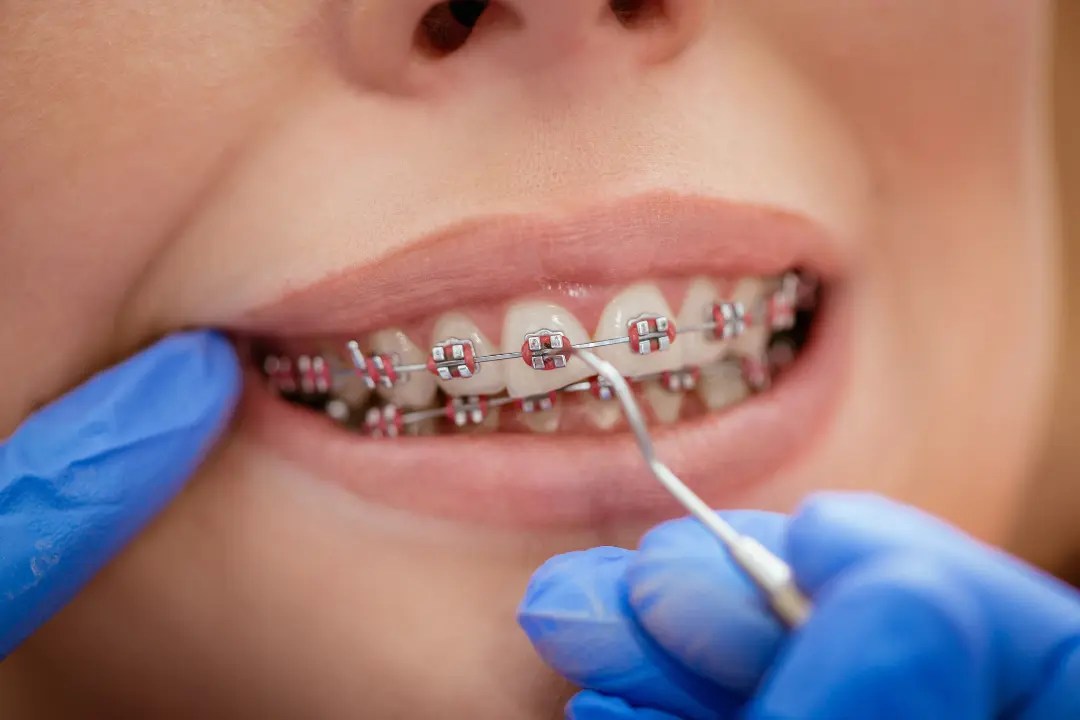
Getting dental braces is a significant step toward achieving a healthier and more confident smile. Whether you’re addressing alignment issues, fixing gaps, or correcting bite problems, braces offer a proven solution. However, the process of getting braces involves several stages, and knowing what to expect can help you feel more prepared and confident.
In this article, we’ll walk you through the process of getting braces, what you can expect at each stage, and how to manage life with braces effectively.
1. The Initial Consultation
Assessment and Recommendations
The journey begins with an initial consultation with an orthodontist. During this visit, the orthodontist will:
- Examine your teeth, jaw, and bite to assess alignment issues.
- Take X-rays, photographs, and impressions of your teeth to create a detailed treatment plan.
- Discuss your goals and expectations for treatment.
Based on the assessment, the orthodontist will recommend the type of braces best suited for your needs whether traditional metal braces, ceramic braces, or clear aligners like Invisalign.
Cost and Treatment Plan
The orthodontist will provide an estimate of the treatment duration and cost. They’ll also explain the steps involved in the process, including adjustments, maintenance, and post-treatment care. This is a great opportunity to ask questions and address any concerns you may have.
2. Placement of Braces
The Day You Get Your Braces
The day your braces are applied is an exciting milestone. The process typically takes about 1 to 2 hours and involves the following steps:
- Cleaning and Preparation: The orthodontist will thoroughly clean your teeth to ensure the braces adhere properly.
- Bonding Brackets: Small brackets are attached to the front of each tooth using a special dental adhesive.
- Placing the Archwire: A thin wire is threaded through the brackets and secured with elastic bands or clips.
- Final Adjustments: The orthodontist will make sure everything is secure and comfortable before you leave.
Mild Discomfort
It’s normal to feel some pressure or mild discomfort after the braces are placed. This happens as your teeth begin to adjust to the new hardware. Over-the-counter pain relievers can help manage any soreness during the first few days.
3. Adjustments and Regular Visits
Periodic Adjustments
Throughout your treatment, you’ll need to visit the orthodontist every 4 to 8 weeks for adjustments. During these appointments, the orthodontist may:
- Tighten the wires to apply additional pressure for tooth movement.
- Replace elastic bands or other components.
- Monitor your progress and make any necessary modifications to the treatment plan.
Each adjustment may cause mild discomfort for a day or two as your teeth adapt, but this is a normal part of the process.
Monitoring Progress
Regular visits are crucial for ensuring your orthodontic treatment stays on track and achieves the desired results. During these visits, the orthodontist evaluates the alignment of your teeth and ensures the braces or aligners are working effectively. This is also the time to discuss any discomfort you might be experiencing and make necessary adjustments to optimize your treatment. If you’re looking for expert care, Orthodontics by Blairstown Smile Studio offers a personalized approach to monitor and maintain the progress of your smile transformation.
In addition to checking the progress, the orthodontist will carefully inspect for any issues, such as loose brackets, broken wires, or other complications that could delay your treatment. Addressing these problems promptly is essential to avoid setbacks and keep your smile journey on schedule. Patients who trust Orthodontics by Blairstown Smile Studio benefit from a dedicated team that ensures every aspect of their treatment is handled with precision and care. Regular visits not only safeguard the success of your treatment but also give you the confidence of being supported every step of the way.
4. Living with Braces
Dietary Changes
While wearing braces, certain foods can damage your hardware or make cleaning difficult. To protect your braces and maintain oral hygiene, avoid:
- Sticky foods like chewing gum and caramel.
- Hard foods such as nuts, popcorn, and hard candies.
- Crunchy foods like raw carrots or apples (unless cut into smaller pieces).
Soft foods like yogurt, mashed potatoes, and pasta are easier to eat, especially after adjustments.
Oral Hygiene
Braces can make cleaning your teeth more challenging, but maintaining good oral hygiene is essential to prevent cavities and gum problems. Key tips include:
- Brushing: Use a soft-bristle toothbrush and fluoride toothpaste to clean around brackets and wires. Consider an orthodontic toothbrush or electric toothbrush for better results.
- Flossing: Use floss threaders or specialized orthodontic floss to clean between teeth and under wires.
- Mouthwash: An antibacterial mouthwash can help reduce plaque and keep your gums healthy.
Your orthodontist may also recommend an interdental brush or water flosser for added convenience.
5. Challenges and Adjustments
Common Issues
It’s normal to experience minor issues during your treatment, such as:
- Sore Spots: Brackets or wires may irritate the inside of your cheeks or lips. Orthodontic wax can help reduce discomfort.
- Loose Brackets or Wires: If a bracket or wire becomes loose, contact your orthodontist for a quick repair.
- Speech Adjustments: You might notice slight changes in your speech initially, but this typically resolves as you adapt to wearing braces.
Staying Motivated
Orthodontic treatment is a long-term commitment, and it’s important to stay motivated. Remind yourself of the end goal a straight, beautiful smile and follow your orthodontist’s advice for the best results.
6. Removing Your Braces
The Big Day
When your teeth have achieved the desired alignment, it’s time to remove your braces. This is a quick and painless process that usually takes about an hour. The orthodontist will:
- Remove the brackets and wires.
- Clean your teeth to remove any adhesive residue.
- Take impressions for your retainer.
Transitioning to Retainers
After braces are removed, you’ll need to wear a retainer to maintain the results. Retainers prevent your teeth from shifting back to their original positions and are a crucial part of post-treatment care.
Conclusion
Getting dental braces is a transformative experience that requires patience, dedication, and proper care. From the initial consultation to wearing retainers after treatment, each stage plays a vital role in achieving a straight, healthy smile.
By understanding what to expect and following your orthodontist’s guidance, you can make the process smoother and more manageable. While wearing braces may involve some challenges, the reward of a beautiful, confident smile makes the journey well worth it.
 Daily Vibes