Plumbing regulations in Singapore play a crucial role in ensuring a safe and efficient water supply for homes and businesses. These rules are enforced by the Public Utilities Board (PUB) to maintain hygiene, prevent water wastage, and ensure that plumbing installations meet national safety standards. For homeowners, understanding and complying with these regulations is essential to avoid legal issues, unexpected costs, and potential hazards.
Whether you are planning a home renovation, replacing old plumbing fixtures, or fixing leaks, you must be aware of the specific requirements set by PUB. Failure to comply with these rules can lead to fines, delays in projects, or even the need to redo plumbing work. This article explores how plumbing regulations in Singapore affect homeowners, covering key aspects such as licensed plumbers, renovation guidelines, water efficiency standards, and drainage system requirements.
1. Requirement to Use PUB-Licensed Plumbers
Who Are PUB-Licensed Plumbers?
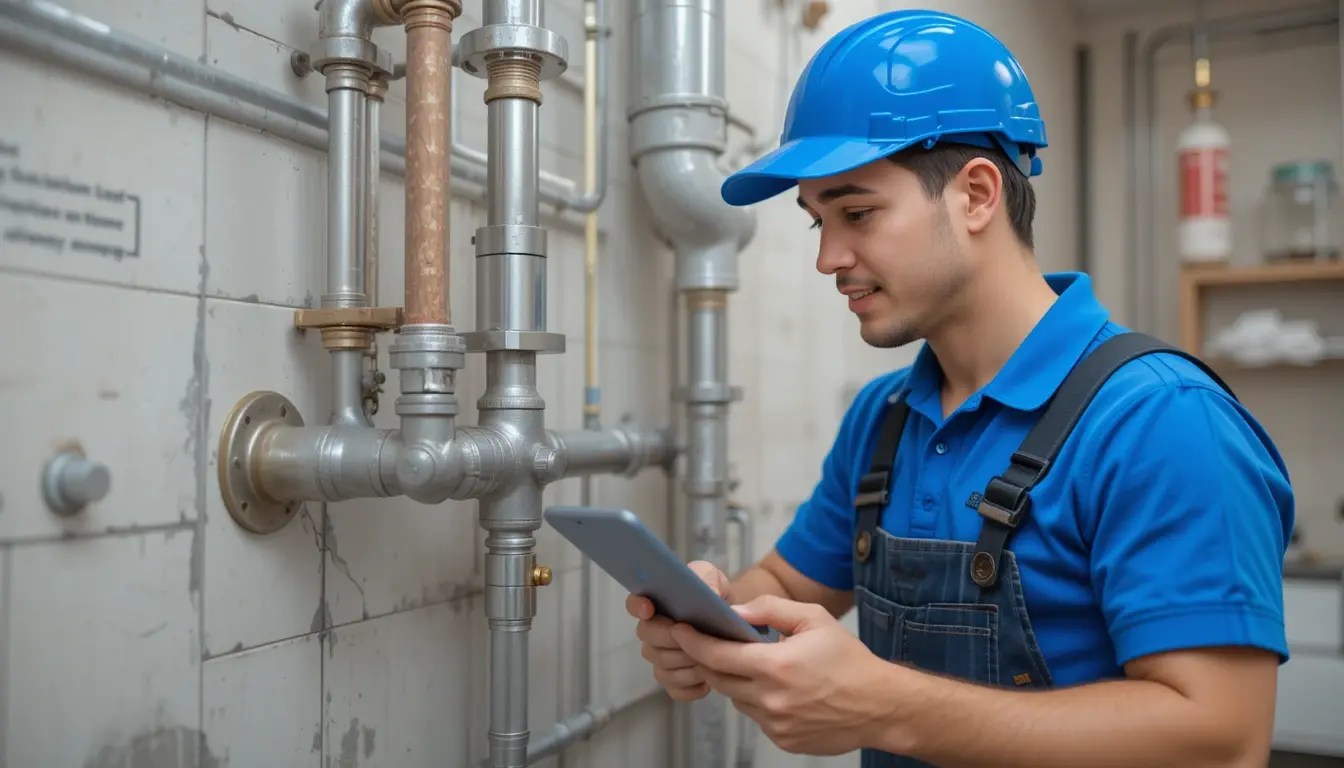
A PUB-licensed plumber is a professional who has undergone rigorous training and certification to perform regulated plumbing works in Singapore. These plumbers are authorized to install, repair, and modify water supply systems, ensuring compliance with national standards. Their expertise helps maintain water quality, prevent leaks, and avoid plumbing failures that could compromise public health and safety.
Hiring a licensed plumber is mandatory for major plumbing works such as installing new water supply pipes, repairing concealed leaks, modifying water meters, and setting up storage water heaters. These plumbers follow strict installation procedures, reducing the risk of faulty plumbing that could lead to water contamination or pipe bursts. Homeowners should always verify a plumber’s license through PUB’s official website before hiring them for any regulated work.
How This Affects Homeowners
For homeowners, hiring a PUB-licensed plumber ensures that plumbing work is done correctly and in accordance with regulations. Non-compliant plumbing installations can lead to issues such as water leaks, poor water pressure, and even contamination of the water supply. In addition, if a homeowner hires an unlicensed plumber for regulated work, they may be subject to fines and penalties from PUB.
Beyond legal consequences, poor plumbing installations can result in expensive repairs in the long run. An improperly installed water pipe or heater can cause structural damage to the home, leading to costly renovations. Therefore, ensuring that plumbing work is performed by a qualified professional not only helps homeowners stay compliant with regulations but also protects their property from potential damages.
2. Plumbing Regulations for Renovations
Approval for Major Plumbing Changes
When homeowners plan to renovate their property, they must be aware that certain plumbing modifications require prior approval from PUB. This is especially important when making significant changes to water supply systems, such as shifting sink locations, installing additional bathrooms, or modifying existing pipelines. These approvals ensure that plumbing installations meet safety and water efficiency standards.
A licensed plumber must submit an application to PUB before any major plumbing work begins. This process includes submitting detailed plans, getting necessary permits, and ensuring that all modifications comply with water supply regulations. If a homeowner proceeds with unapproved plumbing changes, they may be required to undo the work and restore the original system, leading to additional costs and delays in renovation projects.
Impact on Renovation Costs and Planning
Strict plumbing regulations mean that homeowners must allocate time and budget for obtaining necessary permits and ensuring compliance with PUB guidelines. This can impact overall renovation timelines, as approvals and inspections may take time. Homeowners should factor in these additional steps when planning their renovation projects to avoid unexpected delays.
Moreover, non-compliant plumbing modifications can lead to long-term issues, such as low water pressure, inefficient drainage, and leaks. In worst-case scenarios, PUB may impose penalties or require the homeowner to hire a licensed plumber to rectify the work. By following regulations from the start, homeowners can avoid unnecessary expenses and ensure that their plumbing system functions properly for years to come.
3. Water Efficiency Regulations for Homes
Mandatory Water Efficiency Standards
To promote sustainable water use, Singapore has strict regulations on water-efficient plumbing fixtures. Under the Mandatory Water Efficiency Labelling Scheme (WELS), homeowners must install approved water-saving taps, faucets, toilets, and showerheads. These products are rated based on their water efficiency, with higher ratings indicating greater conservation benefits.
Installing WELS-rated fixtures helps homeowners reduce water consumption and lower utility bills. For example, a 3-tick or 4-tick rated showerhead uses significantly less water than a non-rated one while maintaining good water pressure. PUB regularly updates its list of approved products, ensuring that all plumbing fixtures contribute to national water conservation efforts.
How This Affects Homeowners
Homeowners must ensure that any new plumbing fixtures they purchase comply with WELS regulations. Using non-compliant products not only increases water wastage but may also lead to fines. Moreover, homeowners who install water-efficient fixtures benefit from reduced monthly water bills, making it a cost-effective decision in the long run.
Additionally, homes that adhere to water efficiency standards are more attractive to potential buyers or tenants. As Singapore continues to implement stricter water conservation policies, future homeowners and renters will prioritize properties that feature efficient plumbing systems. Investing in compliant fixtures now can enhance a property’s long-term value. Explore comprehensive plumbing system information and guidelines on this website.
4. Restrictions on Drainage and Sewage Systems
Rules on Wastewater Disposal
Singapore has strict guidelines on wastewater management to maintain public hygiene and prevent environmental pollution. Homeowners must ensure that wastewater from kitchens, bathrooms, and washing areas is directed to the appropriate drainage system. Grease traps must be installed in kitchen sinks to prevent food waste and oils from clogging drains.
In addition, stormwater drainage systems must remain separate from sewage lines. Directing rainwater into sewage pipes is illegal and can lead to overloading of the wastewater system, resulting in flooding and contamination issues. Homeowners must work with licensed plumbers to ensure proper drainage installations that comply with PUB standards.
Penalties for Non-Compliance
Failure to adhere to drainage regulations can lead to clogged sewer lines, causing backups and potential health hazards. PUB conducts regular inspections and imposes penalties on homeowners who fail to comply with wastewater disposal rules. In severe cases, PUB may require immediate corrective action, which can be costly and disruptive.
To avoid these issues, homeowners should schedule routine plumbing maintenance and inspections. Ensuring that drains are clear and functioning properly helps prevent long-term damage to both private and public water systems. Regular maintenance also reduces the risk of costly repairs due to blockages and pipe damage.
Conclusion
Singapore’s plumbing regulations are designed to maintain public health, improve water efficiency, and ensure the safety of home water systems. Homeowners must comply with these regulations when renovating, installing new fixtures, or modifying plumbing systems. By hiring PUB-licensed plumbers, using approved water-efficient fixtures, and following proper drainage guidelines, homeowners can avoid legal penalties and costly repairs.
Understanding and adhering to plumbing regulations not only ensures compliance but also enhances the value and sustainability of a home. With proper planning and professional guidance, homeowners can maintain an efficient plumbing system that meets Singapore’s high standards while reducing water waste and saving on utility costs. If you are planning any plumbing work in your home, consulting a licensed plumber is the best way to ensure smooth and hassle-free compliance with PUB regulations.
 Daily Vibes