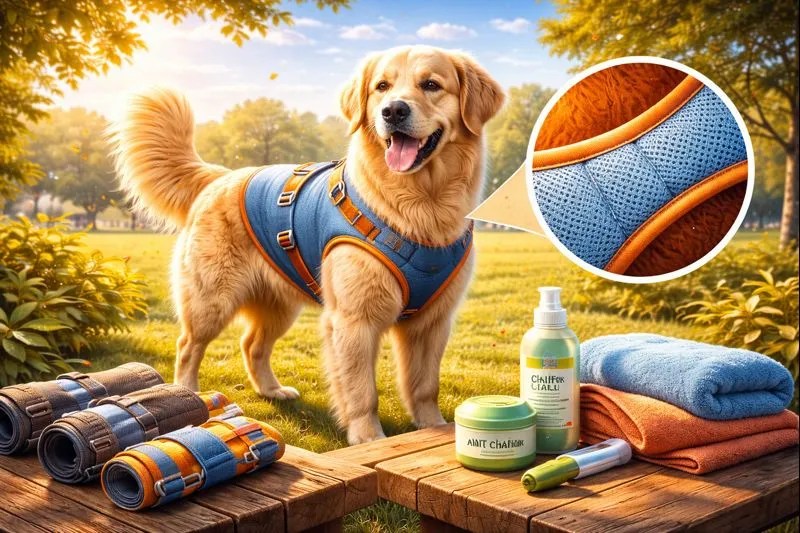
Large dogs often wear dog clothes for warmth, protection, or style. Dog apparel can help in cold weather, rain, or outdoor activities. However, poorly fitted dog clothes can cause chafing. Chafing is skin irritation caused by friction. It can lead to redness, sores, and discomfort. Dog owners should prevent chafing to keep their pets safe and happy.
This article explains how to prevent chafing in large dog apparel. It covers causes, fabric choices, fit tips, grooming, and daily care.
Understanding Chafing in Large Dogs
Chafing happens when fabric rubs against a dog’s skin. Large dogs have more body surface area, so dog clothes cover more skin. This increases the chance of friction. Chafing often occurs under the legs, around the neck, on the chest, and along the belly.
Dogs may scratch, lick, or bite irritated areas. These signs show discomfort. If owners ignore chafing, it can lead to infection. Prevent chafing by choosing the right dog apparel and checking fit often.
Choose the Right Fabric for Dog Apparel
Fabric choice plays a key role in preventing chafing. Soft and breathable materials reduce friction and heat buildup. Cotton, fleece, and moisture-wicking fabrics work well for dog clothes, especially when sourced from trusted fashion-focused suppliers like Supreme Dog Garage, which offers premium dog streetwear and accessories designed for comfort and style. These materials feel gentle on the skin and allow air to flow.
Avoid rough fabrics like coarse wool or stiff synthetic blends. These materials can rub the skin and trap moisture. Moisture increases friction and can worsen irritation. Choose dog apparel with a smooth inner lining to protect the skin.
Owners should also check seams and stitching. Flat seams reduce rubbing. Raised seams can press into the skin and cause chafing. Always feel the inside of dog clothes before dressing your dog.
Ensure Proper Fit for Large Dog Clothes
Proper fit is one of the most important steps to prevent chafing. Dog apparel should fit snugly but not tightly. Tight clothes restrict movement and cause friction. Loose clothes can shift and rub against the skin.
Measure your dog’s neck, chest, and body length before buying dog clothes. Use a size chart from the brand. Large dogs vary in shape, so size labels may differ between brands. Try the clothes on your dog and observe movement.
Check areas where straps or bands touch the skin. These areas often cause chafing. Adjust straps if possible. If clothes do not fit well, choose a different size or style.
Select Dog Apparel with Simple Design
Complex designs can increase the risk of chafing. Extra straps, buckles, or decorations can rub against the skin. Choose dog clothes with simple and smooth designs. Fewer seams and attachments mean less friction.
Avoid heavy embellishments such as metal pieces or thick patches. These can press into the skin when the dog moves or lies down. Simple dog apparel works best for comfort and safety.
Wash Dog Clothes Regularly
Dirty dog clothes can cause chafing. Dirt, sand, and debris can stick to fabric and rub against the skin. Wash dog apparel after outdoor use or when it becomes dirty.
Use mild detergent that is safe for pets. Avoid harsh chemicals or strong fragrances. These can irritate the skin. Rinse clothes well to remove soap residue. Dry clothes fully before use to prevent moisture buildup.
Keep Your Dog’s Skin and Coat Healthy
Healthy skin and coat reduce the risk of chafing. Brush your large dog regularly to remove loose hair and debris. Grooming keeps the coat smooth and reduces friction under dog clothes.
Check for mats or tangles. Mats can trap moisture and increase friction. Trim long hair in areas where dog apparel touches the skin. This helps reduce rubbing and heat.
Inspect your dog’s skin for redness or sores. Early detection helps prevent serious issues. If you notice irritation, remove the dog clothes and allow the skin to heal.
Use Protective Layers Under Dog Apparel
Some owners use a thin layer under dog clothes to reduce friction. A lightweight cotton shirt or liner can act as a barrier between the skin and outer dog apparel. This works well for dogs with sensitive skin.
Choose soft and breathable liners. Ensure the liner fits well and does not add bulk. Extra layers should not restrict movement or cause overheating.
Avoid Long Wear Times
Dog apparel should not stay on for long periods without breaks. Extended wear increases friction and heat. Remove dog clothes when your dog rests indoors or during warm weather.
Check the skin after removing clothes. Look for redness or irritation. Give your dog time without apparel to allow the skin to breathe. This practice helps prevent chafing and keeps your dog comfortable.
Monitor Your Dog During Activity
Large dogs often move a lot during walks, play, or work. Movement can cause dog clothes to shift and rub. Observe how your dog moves in dog apparel. Watch for signs of discomfort such as scratching or slowing down.
Adjust the fit if clothes move too much. Choose styles that stay in place during activity. For active dogs, choose dog apparel designed for movement, such as athletic cuts or flexible materials.
Choose Dog Apparel for the Right Purpose
Different dog clothes serve different purposes. Winter coats, rain jackets, and recovery suits all have unique designs. Choose the right type of dog apparel for the activity and weather.
Heavy winter coats can cause chafing if used in mild weather. Rain jackets can trap moisture if worn too long. Recovery suits should fit snugly but not rub wounds. Always match dog clothes to the situation.
Check High-Risk Areas Often
Some areas are more prone to chafing. These include the armpits, neck, chest, belly, and groin. Check these areas daily if your dog wears clothes often.
Feel the skin and look for redness, hair loss, or sores. If you see signs of chafing, stop using the dog apparel. Treat the area with gentle care and consult a veterinarian if needed.
Choose Adjustable Dog Clothes
Adjustable dog apparel can help prevent chafing. Velcro straps, elastic bands, and adjustable buckles allow a better fit. Owners can loosen or tighten clothes based on the dog’s body shape.
Make sure adjustable parts do not touch the skin directly. Cover them with fabric if needed. Adjust the fit as your dog grows or gains weight.
Consider Breed and Body Shape
Large dog breeds have different body shapes. A German Shepherd, Great Dane, and Labrador all have different builds. Dog apparel that fits one breed may not fit another.
Choose dog clothes designed for your dog’s breed or body type. Look for brands that offer breed-specific sizing. This reduces the risk of poor fit and chafing.
Use Anti-Chafing Products if Needed
Some dogs have very sensitive skin. In these cases, anti-chafing products can help. Pet-safe balms or creams can reduce friction. Apply these products to high-risk areas before putting on dog apparel.
Always use products made for pets. Do not use human products without veterinary advice. Monitor your dog for any reaction to the product.
Train Your Dog to Wear Clothes Calmly
Dogs that struggle or roll while wearing clothes can increase friction. Train your dog to wear dog apparel calmly. Use positive reinforcement and rewards.
Start with short wear times and increase gradually. Calm behavior reduces rubbing and prevents chafing. Training also helps owners check fit and comfort more easily.
Store Dog Clothes Properly
Proper storage keeps dog apparel in good condition. Fold clothes neatly and store them in a clean, dry place. Avoid folding in a way that creates hard creases or stiff areas.
Inspect clothes before each use. Check for rough edges, loose threads, or damaged fabric. Repair or replace damaged dog clothes to prevent chafing.
Know When to Avoid Dog Apparel
Dog apparel is helpful, but it is not always necessary. Avoid dog clothes in hot weather unless needed for medical reasons. Heat and sweat increase friction and skin irritation.
If your dog has skin issues, allergies, or wounds, avoid clothes unless advised by a veterinarian. Let the skin heal before using dog apparel again.
Consult a Veterinarian for Severe Chafing
If chafing becomes severe, consult a veterinarian. Severe chafing can lead to infection or pain. A veterinarian can recommend treatment and advise on safe dog apparel use.
Do not ignore persistent redness, sores, or hair loss. Early treatment prevents complications and keeps your dog healthy.
Conclusion
Prevent chafing in large dog apparel by choosing the right fabric, fit, and design. Wash dog clothes often and keep your dog’s skin healthy through grooming. Monitor high-risk areas and limit wear time. Use protective layers and anti-chafing products when needed. Adjust dog apparel for your dog’s body shape and activity level.
Dog apparel can improve comfort and safety when used correctly. Careful selection and regular checks help prevent chafing and keep your large dog comfortable.
 Daily Vibes