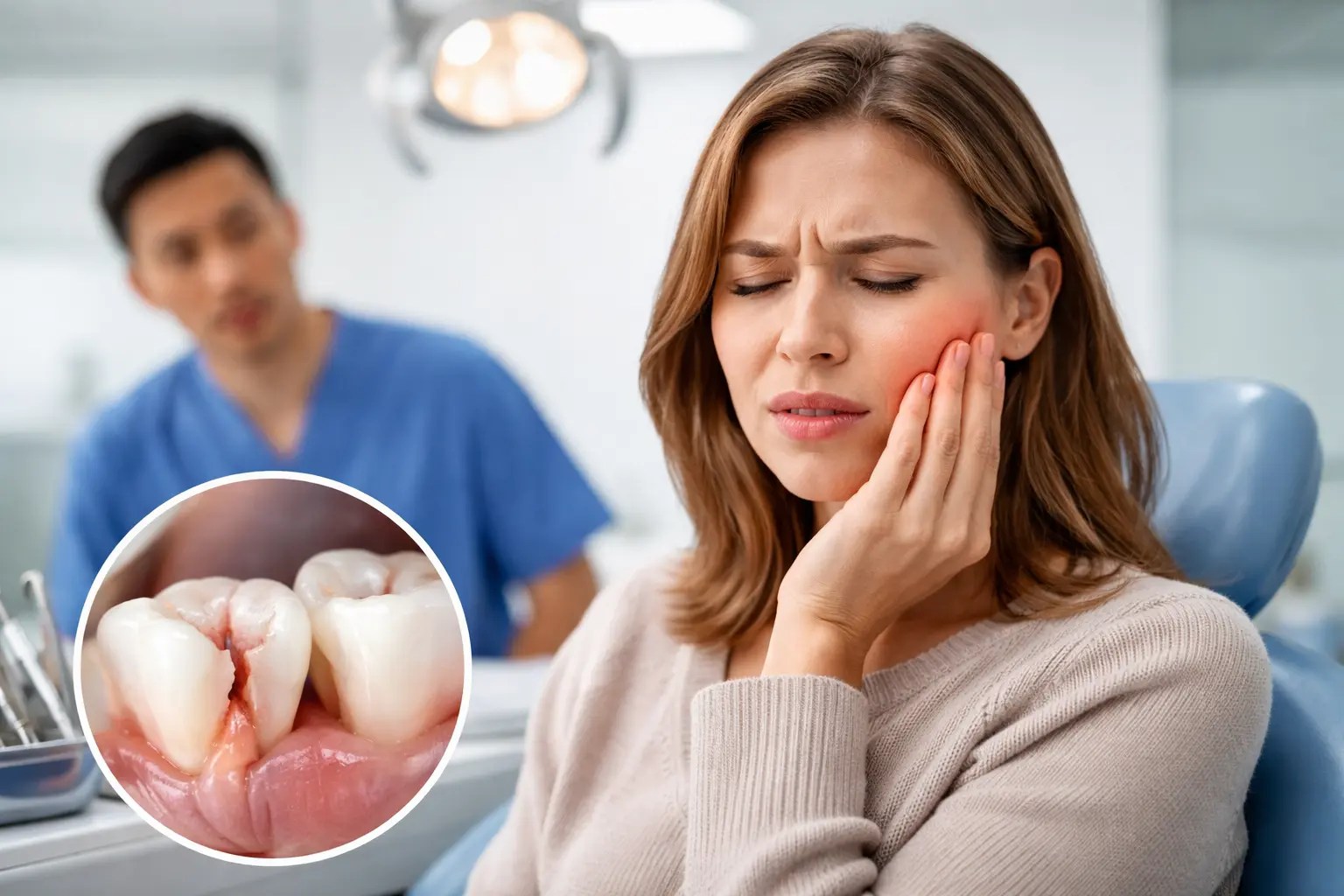
Dental trauma affects many Sydney families each year. Adults often ignore early signs because they think the injury is minor. This delay can lead to pain, infection, and tooth loss. Sydney families need clear information about dental trauma so they can act fast and protect long-term oral health.
Dental trauma includes any injury to the teeth, gums, lips, or jaw. It often happens during sport, road accidents, workplace incidents, or falls at home. Quick action improves treatment success. Dental care providers in Sydney treat these injuries daily, but early recognition remains the key factor in recovery.
Understanding the signs of dental trauma helps adults make informed decisions. This guide explains the symptoms, causes, risk factors, and treatment options available in Sydney.
What Is Dental Trauma?
Dental trauma refers to physical injury that affects the mouth. The injury may involve teeth, soft tissues, or supporting bone. It can range from a small enamel chip to a complete tooth loss.
Adults may experience dental trauma from:
- Contact sports such as rugby or football
- Falls on hard surfaces
- Car or bike accidents
- Physical altercations
- Biting hard food or objects
Some injuries appear obvious, while others develop symptoms later. Sydney families should understand both visible and hidden signs.
Common Types of Dental Trauma in Adults
Different injuries require different dental care responses. Adults in Sydney should know the main types.
Chipped or Cracked Teeth
A chipped tooth affects the enamel. A crack may extend deeper into dentine or pulp. Adults often feel sharp edges with their tongue. Some experience pain while chewing.
Small chips may seem minor, but cracks can worsen over time. Dentists in Sydney examine the tooth with X-rays to detect internal damage.
Knocked-Out Tooth
A knocked-out tooth is called an avulsion. This injury requires urgent dental care. Dentists may reinsert the tooth if the patient acts quickly.
Adults should:
- Pick up the tooth by the crown
- Rinse it gently with saline or milk
- Avoid touching the root
- Place it in milk or saliva
- Visit a Sydney dental clinic within 30 to 60 minutes
Quick action improves survival of the tooth.
Loose or Displaced Tooth
Trauma may push a tooth sideways, inward, or outward. Adults may notice changes in bite alignment. The tooth may feel unstable.
Dentists stabilise the tooth using splints. Early treatment protects the nerve and surrounding bone.
Tooth Intrusion
Intrusion occurs when the tooth moves into the gum socket. This injury damages surrounding tissue and bone. Adults often experience swelling and pain.
Sydney dental care professionals use imaging to assess severity.
Soft Tissue Injuries
Trauma can cut the lips, cheeks, or tongue. Bleeding may seem heavy. These injuries may hide underlying tooth fractures.
Adults should apply clean pressure with gauze and seek dental care for deep wounds.
Early Signs of Dental Trauma
Some signs appear immediately. Others develop over days or weeks. Sydney families should monitor these symptoms after any mouth injury.
Pain or Sensitivity
Pain while chewing or biting signals possible nerve damage. Sensitivity to hot or cold also indicates internal injury.
Swelling and Bruising
Swelling in the gums or jaw suggests inflammation or bone damage. Bruising inside the mouth may appear dark red or purple.
Tooth Discolouration
A grey or dark tooth often indicates pulp damage. This change may appear weeks after trauma.
Bleeding Gums
Bleeding around one tooth after impact may signal ligament damage.
Difficulty Opening the Mouth
Jaw pain or stiffness suggests possible fracture or joint injury.
Sydney adults should not ignore mild symptoms. Early dental care prevents further complications.
Risk Factors for Dental Trauma in Sydney Adults
Certain activities increase the risk of dental trauma.
Contact Sports
Rugby, AFL, and boxing carry high injury rates. Adults who play sport without mouthguards face greater risk.
Cycling and Motorbike Use
Falls or road accidents cause direct impact to the mouth.
Workplace Hazards
Construction and industrial work environments increase injury risk.
Alcohol Consumption
Alcohol reduces coordination and reaction time. Falls become more likely.
Sydney families should assess these risks and take preventive steps.
What to Do Immediately After Dental Trauma
Immediate response affects long-term outcomes. Adults should follow these steps.
Control Bleeding
Apply clean gauze with gentle pressure. Sit upright to reduce blood flow.
Rinse the Mouth
Use saline or warm water to clean debris.
Apply Cold Compress
Place ice on the cheek to reduce swelling.
Preserve a Knocked-Out Tooth
Store the tooth in milk or saliva. Avoid dry storage.
Contact a Sydney Dental Clinic
Emergency dental care in Sydney is available through many private and public clinics. Fast assessment improves recovery.
When to Seek Emergency Dental Care
Adults should seek urgent dental care if they experience:
- Severe pain
- Heavy bleeding
- A knocked-out tooth
- Jaw misalignment
- Visible bone fragments
Sydney families should save contact details of a local emergency dental clinic for quick access.
Diagnosis of Dental Trauma
Dentists use structured assessment methods to confirm injury.
Clinical Examination
The dentist checks tooth mobility, alignment, and soft tissue damage.
X-Rays
X-rays show root fractures and bone injury.
Pulp Testing
Pulp tests measure nerve vitality.
Accurate diagnosis guides effective dental care planning.
Treatment Options for Dental Trauma
Treatment depends on injury type and severity.
Bonding for Minor Chips
Dentists repair enamel with composite resin. This restores shape and function.
Root Canal Therapy
If trauma damages the pulp, the dentist removes infected tissue. This procedure prevents abscess formation.
Splinting
Dentists stabilise loose teeth with flexible splints.
Crown Placement
Severe cracks require crowns to restore strength.
Tooth Replacement
If reimplantation fails, options include implants, bridges, or partial dentures.
Sydney families should discuss long-term treatment plans with their dentist.
Long-Term Effects of Untreated Dental Trauma
Ignoring dental trauma leads to serious complications.
Infection
Bacteria enter damaged pulp and cause abscess.
Tooth Loss
Delayed treatment reduces survival rate of injured teeth.
Bone Loss
Untreated injury affects jaw structure.
Chronic Pain
Persistent inflammation leads to ongoing discomfort.
Regular dental care prevents these outcomes.
Preventing Dental Trauma in Sydney Adults
Prevention reduces treatment costs and health risks.
Use Mouthguards
Custom-fitted mouthguards protect teeth during sport.
Wear Helmets
Cyclists and motorbike riders should wear approved helmets.
Avoid Hard Objects
Do not bite ice, pens, or hard sweets.
Maintain Regular Dental Check-Ups
Routine dental care helps detect hidden cracks or weak restorations.
Sydney families benefit from preventive advice provided by local dental professionals.
Supporting Sydney Families After Dental Trauma
Dental trauma can take a toll on emotional wellbeing. Adults often feel stressed about changes to their appearance, unexpected treatment costs, and how the injury may affect daily life. In urgent situations, contacting an emergency dentist Western Sydney residents trust can provide timely care and reassurance, helping families understand their options and next steps. Clear communication and practical guidance make a significant difference during what is often an overwhelming experience.
Dental clinics across Sydney commonly offer flexible payment plans and staged treatment approaches, allowing patients to manage both clinical and financial concerns with greater confidence. When procedures and recovery timelines are explained in straightforward language, anxiety tends to ease and cooperation improves.
Follow-up visits are equally important. Ongoing reviews enable the dentist to monitor healing, assess nerve vitality, and adjust treatment where necessary, supporting long-term oral health and stability.
Final Thoughts on Dental Trauma Awareness
Dental trauma requires fast recognition and action. Sydney families should learn the common signs, understand the risks, and know how to respond.
Pain, swelling, discolouration, and loose teeth indicate possible injury. Immediate dental care improves outcomes and protects long-term oral health.
Adults in Sydney should store emergency dental contact details and wear protective gear during risk activities. Early action prevents infection, tooth loss, and costly treatment.
Clear awareness strengthens dental care decisions. Sydney families who respond quickly to dental trauma protect their health and maintain confident smiles for years.
 Daily Vibes