How Suspension Affects Vehicle Stability During Turns

Car suspension plays a direct role in how a vehicle behaves during turns. The suspension system connects the vehicle body to the wheels. It controls how weight moves when a driver turns the steering wheel. Vehicle stability depends on how well this system manages forces during cornering. When a car enters a turn, the body wants to lean outward. The suspension resists this movement and keeps the tires in contact with the road. A stable vehicle follows the intended path and responds clearly to driver input. Poor suspension control reduces grip and increases the risk of sliding.

Vehicle stability during turns relies on predictable tire contact. The suspension helps maintain this contact by absorbing road changes and managing body motion. Engineers design suspension systems to balance comfort, control, and safety. Understanding how suspension affects turning helps drivers and technicians identify handling issues and improve road performance.

Basic Components of a Car Suspension System

A car suspension system includes springs, shock absorbers, struts, control arms, and anti-roll bars. Each part has a specific role in how a vehicle behaves during turns, affecting balance, grip, and overall control. Understanding how these components work together helps drivers recognize why proper suspension maintenance matters, especially when handling feels unstable or uneven.

Springs support the vehicle’s weight and allow controlled vertical movement. When a car enters a turn, springs compress on the outside wheels and extend on the inside wheels. This process influences body roll and weight transfer, which directly affects traction. Regular inspection of springs is important because worn or sagging springs can increase lean and reduce cornering confidence, a concern often addressed at shops like Torrance Motors that focus on precise suspension diagnostics.

Shock absorbers manage how quickly springs compress and rebound. Their job is to keep movement smooth and controlled. During turns, shocks reduce excessive bouncing and help the tires maintain consistent contact with the road surface. If shocks lose effectiveness, the vehicle may feel unstable in curves or dips.

Struts combine the functions of springs and shocks into a single assembly. Many passenger vehicles rely on struts in the front suspension to support weight and maintain steering geometry. Properly functioning struts improve steering response and help keep the car stable while cornering.

Control arms connect the wheels to the vehicle’s frame and guide wheel motion. They help maintain correct alignment angles during turns, which is essential for predictable handling and even tire wear. When control arm bushings or joints wear out, steering precision and stability can suffer, especially during sharp or repeated turns.

Weight Transfer During Turns

When a vehicle turns, weight shifts from the inside wheels to the outside wheels. This process is called lateral weight transfer. Car suspension manages how fast and how far this shift occurs.

During a left turn, weight moves to the right side of the vehicle. The outside suspension compresses while the inside suspension extends. If the suspension allows too much movement, the body leans more. Excess body lean reduces tire grip and steering control.

A well-tuned suspension spreads weight transfer smoothly. This keeps all four tires engaged with the road. Balanced weight transfer improves vehicle stability and helps the driver maintain control through the turn.

Suspension stiffness affects weight transfer speed. Stiffer setups move weight faster but reduce comfort. Softer setups move weight slower but may allow too much body motion. Engineers choose a balance based on vehicle purpose.

Role of Suspension Geometry in Stability

Suspension geometry refers to the angles and positions of suspension components. These angles include camber, caster, and toe. Geometry changes how tires contact the road during turns.

Camber angle affects how the tire sits on the road. During turns, suspension geometry often adds negative camber to the outside wheels. This keeps the tire tread flat on the road and increases grip.

Caster angle affects steering stability and return. Proper caster helps the wheels self-center after a turn. It also improves straight-line control and corner stability.

Toe angle affects how tires point relative to the vehicle centerline. Incorrect toe settings can cause instability during turns. Proper toe helps the car follow a smooth path.

Car suspension geometry must remain stable under load. Worn components can change angles during turns. This reduces vehicle stability and causes uneven tire wear.

Impact of Shock Absorbers on Cornering Control

Shock absorbers have a strong effect on how a vehicle handles turns. They control the speed of suspension movement and limit excessive motion.

During a turn, shocks slow down body lean. This helps the driver feel connected to the road. Good shock control allows tires to maintain steady contact with the surface.

Worn shocks allow uncontrolled movement. The vehicle may feel loose or unstable in corners. Tires may lose grip due to bouncing or delayed response.

Shock tuning affects turn entry and exit. Firmer damping improves control but can feel harsh. Softer damping improves comfort but may reduce precision. Engineers adjust shock settings to match vehicle weight and intended use.

Anti-Roll Bars and Body Lean Reduction

Anti-roll bars play a key role in reducing body lean during turns. They connect the left and right suspension sides and resist uneven movement.

When a vehicle turns, the outside suspension compresses. The anti-roll bar transfers some force to the inside suspension. This reduces the amount of body lean.

Less body lean keeps the vehicle more level. This improves tire contact and steering response. Reduced lean also helps drivers feel more confident during turns.

Different vehicles use different anti-roll bar sizes. Larger bars increase roll resistance but can reduce comfort. Smaller bars allow more movement but improve ride quality. Proper balance supports vehicle stability without harming control.

Tire Contact and Suspension Interaction

Tires provide grip, but suspension controls how tires meet the road. Vehicle stability depends on consistent tire contact during turns.

As the suspension moves, it changes tire angles and load. A good suspension keeps the tire tread flat against the road. This maximizes friction and grip.

Uneven suspension movement causes uneven tire loading. One tire may carry too much weight while another loses contact. This reduces total grip and increases slip risk.

Car suspension also helps tires handle road imperfections during turns. Bumps or dips can disrupt grip. The suspension absorbs these changes and keeps the vehicle stable.

Differences Between Front and Rear Suspension Behavior

Front and rear suspension systems often behave differently during turns. The front suspension handles steering input. The rear suspension supports balance and follow-through.

Front suspension design affects turn-in response. A stable front end responds quickly to steering changes. Poor front suspension control causes understeer, where the vehicle resists turning.

Rear suspension affects how the vehicle exits a turn. Stable rear suspension keeps the vehicle aligned with the front. Poor rear control causes oversteer, where the rear slides outward.

Vehicle stability depends on balance between front and rear suspension. Engineers tune both ends to work together. This balance helps the vehicle follow a smooth and predictable path.

Suspension Wear and Its Effect on Stability

Suspension components wear over time. Worn parts reduce control during turns and affect vehicle stability.

Worn bushings allow excess movement. This changes suspension geometry under load. The vehicle may feel loose or unpredictable in corners.

Leaking or weak shocks fail to control spring motion. This causes excessive body movement and reduced grip.

Damaged springs affect ride height and weight distribution. Uneven ride height changes handling balance and corner behavior.

Regular suspension inspection helps maintain stability. Replacing worn parts restores proper movement and control.

Suspension Tuning for Different Driving Conditions

Different driving conditions require different suspension characteristics. Road type, speed, and load affect suspension needs.

Passenger vehicles use suspension setups that balance comfort and stability. They handle daily turns with smooth response.

Performance vehicles use firmer suspension settings. These setups reduce body lean and improve corner control.

Heavy loads change suspension behavior. Added weight increases body lean during turns. Proper suspension design accounts for load variation to maintain vehicle stability.

Suspension tuning helps match the vehicle to its purpose. Proper tuning supports safe and predictable handling in all conditions.

Conclusion

Car suspension directly affects how a vehicle behaves during turns. It controls weight transfer, body lean, and tire contact. Vehicle stability depends on proper suspension design, geometry, and condition. Springs, shocks, and anti-roll bars work together to manage forces during cornering. Worn or poorly tuned suspension reduces control and increases risk. A well-maintained suspension system supports stable turns and clear driver response. Understanding suspension behavior helps drivers appreciate its role in safe and controlled vehicle movement.


How Laughter Yoga Improves Mental Health and Emotional Resilience

Laughter Yoga is a structured practice that combines voluntary laughter with steady breathing. A medical doctor in India introduced this method in the 1990s. The practice does not rely on jokes or humor. People laugh as a physical exercise. The body responds to this laughter in the same way it responds to natural laughter. This response creates positive changes in the brain and nervous system. These changes support Mental Health and help build Emotional Resilience.

Mental health affects how a person thinks, feels, and acts each day. Emotional resilience refers to the ability to handle stress, recover from pressure, and remain steady during challenges. Laughter Yoga supports both areas through simple actions. The practice uses group interaction, eye contact, movement, and breathing. These elements work together in a clear and repeatable way. The body learns calm responses through regular practice.

This article explains how Laughter Yoga works and why it supports Mental Health and Emotional Resilience. The focus remains on clear language, direct explanations, and practical value.

Understanding Laughter Yoga

Laughter Yoga uses intentional laughter instead of humor. A session starts with warm-up movements. Participants clap their hands in a steady rhythm. They chant short sounds like ho ho ha ha. These sounds help the body relax. Deep breathing follows the clapping. The breathing pattern uses slow inhales through the nose and full exhales through the mouth.

The laughter begins as an action. The brain does not separate forced laughter from natural laughter. This response triggers the release of helpful chemicals. These chemicals include endorphins and serotonin. These substances improve mood and reduce tension. The body also lowers cortisol, which is a stress hormone.

Laughter Yoga sessions often take place in groups. Group settings support social connection. Eye contact and shared movement help people feel safe. This safety supports emotional balance. Over time, the body learns to respond with calm instead of tension.

The Science Behind Laughter and the Brain

Laughter activates many areas of the brain at the same time. The frontal lobe manages movement, focus, and awareness, while the limbic system regulates emotions and mood. When laughter occurs, these systems work together in a balanced way. This interaction improves emotional regulation and helps the nervous system shift from a stress response into a relaxed state, which is why practices taught through Joy Potential often focus on laughter-based techniques to support emotional well-being and inner balance.

During laughter, the parasympathetic nervous system becomes active. This response slows the heart rate, lowers blood pressure, and encourages deeper, more consistent breathing. As oxygen intake increases, the brain receives more oxygen, which supports clearer thinking and mental clarity. These physical changes explain why laughter is commonly used in mind-body wellness practices.

Regular laughter practice also trains the brain over time. The brain learns to recover more quickly after stressful events and return to a stable emotional state. This training supports mental health by improving focus, emotional control, and resilience. Many people report feeling calmer, lighter, and more mentally present after consistent laughter-based sessions, which can positively affect daily life and emotional stability.

Laughter Yoga and Stress Reduction

Stress affects the body and mind in direct ways. It increases muscle tension. It disrupts sleep. It reduces focus. Laughter Yoga reduces stress through physical release. Laughter causes muscles to loosen. The body releases tension through movement and sound.

Deep breathing during Laughter Yoga plays a key role. Slow breathing sends signals to the brain. These signals tell the body to relax. The heart rate slows. Blood pressure stabilizes. The body enters a state of rest.

Regular practice helps people manage stress triggers. The body becomes familiar with calm responses. When stress appears, the body reacts with less intensity. This change supports Emotional Resilience. People recover faster after pressure.

Emotional Resilience Through Regular Practice

Emotional resilience depends on emotional regulation. Laughter Yoga improves regulation by training the nervous system. The practice introduces controlled stress through laughter and movement. The body learns to stay calm during this activity. This learning transfers to real life.

Group laughter builds emotional strength. Shared laughter reduces feelings of isolation. Social connection supports emotional safety. People feel supported without needing words. This shared experience builds trust and confidence.

Laughter Yoga also improves emotional awareness. Participants notice changes in mood before and after sessions. This awareness helps people understand their emotional patterns. With this understanding, people respond with control instead of reaction.

The Role of Breathing in Mental Health

Breathing connects the body and mind. Laughter Yoga uses breathing in a structured way. Deep breathing increases oxygen flow. This flow supports brain function. Clear breathing patterns reduce anxiety symptoms.

During laughter, breathing becomes rhythmic. This rhythm helps regulate the nervous system. The body shifts from alert mode to rest mode. This shift improves sleep quality. Better sleep supports Mental Health.

Controlled breathing also improves focus. The mind stays present during practice. This presence reduces rumination. Fewer repetitive thoughts support emotional balance.

Laughter Yoga and Mood Regulation

Mood depends on chemical balance in the brain. Laughter triggers the release of dopamine and serotonin. These chemicals improve mood stability. They also reduce feelings of sadness and tension.

Unlike humor, Laughter Yoga does not depend on external factors. A person does not need a reason to laugh. This independence gives control. People can practice laughter at any time. This control supports emotional stability.

Regular laughter practice improves baseline mood. People report feeling lighter and more positive. These changes support Mental Health over time.

Building Consistency and Routine

Consistency strengthens the effects of Laughter Yoga. Regular sessions create lasting changes in the nervous system. Short daily sessions can produce steady results. Even ten minutes of practice can support emotional balance.

A routine helps the brain expect calm. The body prepares for relaxation during practice times. This expectation improves results. Over time, the body responds faster to laughter cues.

Group sessions support consistency. Scheduled classes provide structure. Online sessions also support regular practice. Both formats help maintain routine.

Laughter Yoga in Daily Life

Laughter Yoga skills apply outside sessions. People can use short laughter exercises during breaks. Deep breathing combined with gentle laughter helps release tension at work. This release improves focus and patience.

Families can practice together. Shared laughter improves relationships. Children respond well to playful movement. This shared activity supports emotional bonds.

Older adults also benefit. Laughter improves circulation and breathing. These effects support physical health. Improved physical health supports Mental Health.

Psychological Benefits of Group Laughter

Group laughter creates a shared emotional space. People feel accepted without judgment. This acceptance reduces social anxiety. Eye contact and shared movement improve trust.

The group setting reduces loneliness. Social connection supports Emotional Resilience. People handle stress better when they feel connected.

Group laughter also improves communication. Participants become more open. This openness supports emotional expression.

Laughter Yoga and Cognitive Function

Laughter improves attention and memory. Increased oxygen flow supports brain performance. Reduced stress improves concentration. People think more clearly after practice.

Laughter also improves creativity. A relaxed brain makes new connections. This ability supports problem-solving. Clear thinking supports Mental Health.

Regular practice supports long-term cognitive health. Reduced stress protects brain function over time.

Safety and Accessibility of Laughter Yoga

Laughter Yoga is safe for most people. The practice uses gentle movement and breathing. Participants can adjust intensity. People can sit or stand during sessions.

No special equipment is needed. Comfortable clothing supports movement. A quiet space supports focus. These simple needs make the practice accessible.

People with medical conditions should listen to their body. Slow breathing and gentle laughter reduce strain. This flexibility supports wide participation.

Long-Term Impact on Mental Health

Long-term practice creates stable benefits. The nervous system becomes more balanced. Stress responses reduce. Emotional control improves.

People report improved confidence. Laughter builds positive self-awareness. This awareness supports Emotional Resilience.

The practice also supports emotional recovery. People bounce back faster after challenges. This recovery improves quality of life.

Conclusion

Laughter Yoga supports Mental Health through simple actions. Intentional laughter and breathing create physical and emotional changes. These changes reduce stress and improve mood. Regular practice builds Emotional Resilience by training the nervous system.

The method does not depend on humor or performance. It relies on movement, breathing, and group connection. These elements work together in a clear way. The body learns calm responses through repetition.

Laughter Yoga offers a practical approach to emotional balance. The practice supports daily well-being and long-term mental strength. Through regular sessions, people gain control over stress and emotional responses. This control improves overall mental health and emotional stability.

What to Expect on a Luxury Ocean Charter in Puerto Vallarta

A luxury ocean charter in Puerto Vallarta offers a private way to enjoy the Pacific coast with comfort, privacy, and control over your schedule. This experience focuses on space, service, and access to places that land travel cannot reach with ease. Guests step aboard a well-equipped yacht or catamaran and move across calm or open water while a trained crew manages every detail. The goal stays simple. The charter provides time on the ocean with high service standards and clear planning. This guide explains what guests can expect before boarding, during the trip, and after returning to shore. It also explains routes, activities, food, safety, and costs in a direct and clear way.

Understanding a Luxury Ocean Charter Experience

A luxury ocean charter gives guests full use of a private vessel for a set period. The charter includes the boat, crew, fuel for planned routes, and onboard services. Guests avoid crowds and fixed schedules. They choose the pace and focus of the trip. Some guests want calm cruising and views. Others want water activities and island stops. The charter adapts to these needs through clear planning before departure.

Luxury standards appear in the vessel design and crew service. Cabins offer space and comfort. Decks support dining, sun time, and movement. Crew members manage navigation, safety, meals, and cleaning. Guests focus on rest and enjoyment. The experience centers on clarity, comfort, and steady service from start to finish.

Why Puerto Vallarta Fits a Luxury Ocean Charter

Puerto Vallarta sits along Banderas Bay, one of the largest bays on the Pacific coast. The bay protects vessels from strong waves on many days, allowing for smooth cruising and stable anchoring. Clear waters, visible marine life, and a varied coastline of beaches, cliffs, and small islands create ideal conditions for both short excursions and full-day luxury experiences. This natural setting makes premium boat and yacht services especially valuable for travelers seeking comfort and reliability, which is why Palmara Charters focuses on delivering refined yacht and boat rental experiences designed specifically for these calm and scenic waters.

The marina system in Puerto Vallarta accommodates both large yachts and smaller private vessels, supported by experienced crews with strong local knowledge of weather patterns and safe navigation routes. Guests benefit from access to secluded coves and quiet beach areas that remain away from public crowds. The region supports year-round charters, with the most favorable conditions during the dry season. This combination of infrastructure, expert guidance, and natural beauty makes Puerto Vallarta an excellent destination for luxury ocean charters and private cruising experiences.

Types of Vessels Available

Luxury ocean charters offer several vessel types. Each type fits different group sizes and goals. Motor yachts provide speed, indoor space, and smooth handling. They suit guests who value fast travel and climate-controlled cabins. Sailing yachts offer a quieter ride with wind power. They appeal to guests who enjoy a classic ocean feel and steady movement.

Catamarans offer wide decks and stable platforms. They suit groups and social trips. They also support water activities with easy access to the sea. Superyachts provide multiple decks, crew quarters, and high privacy levels. These vessels suit multi-day trips and formal events. The choice depends on group size, travel range, and onboard needs.

Crew and Service Standards

A luxury ocean charter includes a trained crew. The captain manages navigation and safety. Deckhands support docking, anchoring, and guest needs. Many charters also include a chef or steward. The crew follows clear service rules and safety plans. They keep communication simple and respectful.

Service focuses on timing and comfort. The crew prepares the vessel before boarding. They explain safety rules in clear language. They serve meals and drinks on schedule. They clean shared areas during the trip. Guests receive help without pressure or delay. This steady service creates trust and ease during the charter.

Pre-Departure Planning and Boarding

Planning starts before the trip date. Guests discuss travel length, route, food needs, and activity goals. The charter company confirms details in writing. This step sets clear expectations and avoids confusion. Guests receive boarding time and marina location details.

Boarding stays simple and organized. The crew greets guests and helps with bags. The captain explains safety steps and vessel rules. Guests learn where to sit, store items, and move on deck. This process takes little time and sets a calm tone for the trip.

Routes and Destinations

Luxury ocean charters from Puerto Vallarta follow several common routes. Many trips explore Banderas Bay. These routes include coastal views, cliffs, and beaches. Some trips head south to quiet beach areas and small villages. Others head north to islands and open water zones.

Islands like the Marietas area offer clear water and wildlife viewing. Some routes allow snorkeling and swimming stops. The captain selects routes based on weather and guest goals. Guests can request changes during the trip if conditions allow. This flexibility adds value to the charter.

Onboard Dining and Drinks

Food plays a central role in a luxury ocean charter. Many charters include meals and drinks in the base cost. Others offer menu upgrades. The chef or crew prepares meals onboard or brings prepared items from shore. Menus often include seafood, fresh fruit, and simple plated meals.

Guests share dietary needs during planning. The crew adjusts menus to fit these needs. Drinks include water, soft drinks, and selected alcoholic options. Service follows a clear schedule to avoid delays. Dining takes place on deck or in a dining area, based on weather and guest choice.

Comfort, Space, and Amenities

Luxury ocean charters focus on comfort. Cabins include beds, storage, and private bathrooms on larger vessels. Indoor lounges offer seating and shade. Outdoor decks offer space for sun and movement. Shade areas protect guests from direct sun during long trips.

Amenities may include sound systems, Wi-Fi in some zones, and water toys. Towels, sunscreen, and basic supplies often come with the charter. The crew explains how to use equipment in clear steps. These features support a relaxed and organized trip.

Water Activities and Wildlife Viewing

Many guests choose a luxury ocean charter for water access. Common activities include swimming, snorkeling, paddleboarding, and floating breaks. The crew sets up equipment and explains safety rules. Guests enter the water at safe spots with supervision.

Wildlife viewing adds value to the trip. Dolphins, whales, and sea birds appear during certain seasons. The captain follows local rules to protect wildlife. Guests watch from a safe distance. This approach supports both safety and respect for nature.

Safety and Regulations

Safety remains a top priority on every luxury ocean charter. Vessels meet local and international safety standards. Life jackets, radios, and emergency gear stay onboard. The captain monitors weather and sea conditions at all times.

Guests follow simple safety rules. These include wearing proper footwear and listening to crew guidance. Alcohol service follows safety limits. The crew manages risks without causing concern. Clear rules and calm communication support a secure trip.

Privacy and Custom Use

A luxury ocean charter offers privacy that public tours cannot provide. The vessel stays reserved for one group. Guests control music, timing, and activities. This setting suits family trips, business events, and private celebrations.

Custom use adds flexibility. Guests can plan proposals, birthdays, or small events onboard. The crew helps with setup and timing. These plans stay simple and focused on guest comfort. Privacy supports a calm and personal experience.

Costs and What the Price Includes

Pricing for a luxury ocean charter varies by vessel size, trip length, and season. Base prices often include the vessel, crew, fuel for planned routes, and basic food and drinks. Some charters charge extra for premium food, extended routes, or special services.

Guests receive a clear price breakdown before booking. This breakdown lists included items and extra costs. Tipping policies also appear in advance. Clear pricing helps guests plan without stress.

Best Time to Book a Charter

Puerto Vallarta supports charters throughout the year. The dry season offers calm seas and clear skies. This period sees higher demand and higher prices. The rainy season offers fewer crowds and lower rates, with some weather limits.

Wildlife seasons affect booking choices. Whale watching peaks during winter months. Guests who value wildlife plan trips during this period. Early booking helps secure preferred vessels and dates.

Environmental Awareness and Local Impact

Luxury ocean charters follow local environmental rules. Crews avoid sensitive areas and manage waste onboard. Many operators support clean water practices and wildlife care. Guests can support these efforts by following crew guidance.

Local impact also includes support for marina staff, suppliers, and guides. Charter activity supports the local economy through jobs and services. Responsible use helps protect the area for future visits.

What Guests Take Away From the Experience

A luxury ocean charter in Puerto Vallarta delivers control, comfort, and access. Guests move at their own pace and focus on their group. The ocean setting offers calm and space that land travel cannot match. Clear planning, trained crews, and private vessels shape the experience.

Guests return with time spent away from crowds and noise. They gain views, water time, and shared moments. The value comes from clarity and ease at every step. This balance explains why many travelers choose a luxury ocean charter for their visit to Puerto Vallarta.

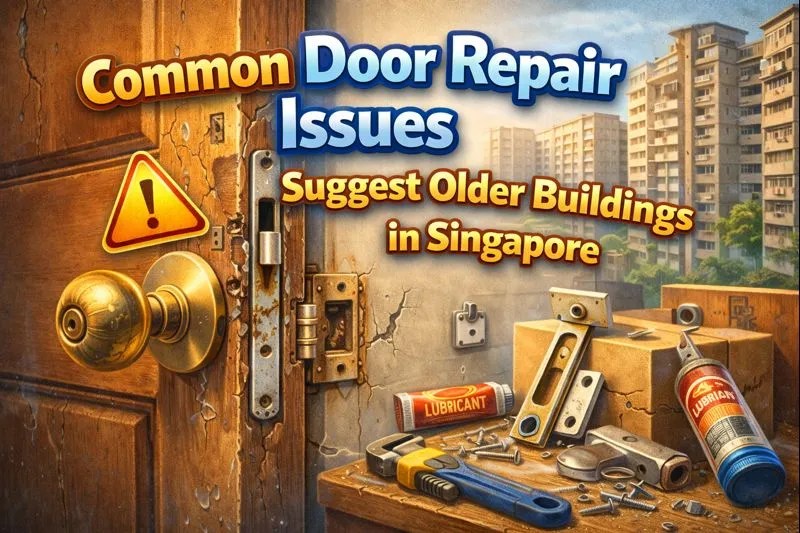
Common Door Repair Issues Suggest Older Buildings in Singapore

Older buildings show clear signs through daily use. Doors often give the first signal. Many residents notice doors that stick, sag, or fail to lock with ease. These door repair issues appear more often in buildings built decades ago. Age affects materials, structure, and alignment. Climate also plays a role. Heat and moisture place stress on wood, metal, and hardware. This article explains how door repair issues point to older buildings in Singapore. It also explains how door locks and lock issues connect to building age.

Aging Building Materials and Door Wear

Older buildings use materials that differ from modern standards. Many doors in older flats use solid wood or early metal frames. These materials change with time. Wood absorbs moisture and expands. Metal frames can bend or rust. Hinges loosen as screws lose grip. These changes cause doors to drag on the floor or scrape the frame. Door repair issues often start with these small changes.

In older buildings, maintenance often follows a reactive pattern. Owners fix doors only after failure. This approach allows wear to spread. A misaligned door places pressure on hinges and locks. Over time, the door no longer fits its frame. This creates gaps or tight spots. These signs often suggest the building structure has shifted with age.

Structural Movement and Door Alignment Problems

Buildings settle over time. Concrete shrinks. Foundations adjust under load. These movements affect door frames. A frame that once stood square may now tilt. Even a small shift affects how a door closes. Residents may push or pull harder to shut the door. This action strains hinges and door locks.

Door repair issues linked to alignment often appear as uneven gaps. The top corner may touch first. The latch may miss the strike plate. These problems appear more in older buildings where structural movement has occurred. Newer buildings use methods that limit this movement, but older structures lack these updates.

Humidity Effects on Doors in Older Properties

Singapore has high humidity year-round, which places constant stress on doors and locking systems. Older doors often lack the protective coatings and sealants used in modern construction. Moisture seeps into wood fibers and causes swelling, which makes doors stick inside the frame. When this happens, residents may sand the edges or force the door shut, but repeated pressure increases strain on hinges and locking points. Over time, this wear can affect door alignment and create lock-related issues that often require attention from a Locksmith Singapore property owners trust for humidity-related door problems.

Metal doors face a different set of risks in the same climate. Moist air encourages rust to form on hinges, internal lock parts, and keyways. Rust increases friction, which makes door locks harder to turn and causes keys to jam or snap inside the lock. When lock resistance develops alongside visible corrosion, it often signals years of moisture exposure without proper sealing. These conditions commonly indicate an older building with limited moisture control and aging door hardware.

Worn Hinges and Their Impact on Door Function

Hinges support the full weight of a door. In older buildings, hinges often show fatigue. Screws loosen as wood fibers wear out. The hinge plate may bend. This causes the door to sag. A sagging door scrapes the floor and strains the latch.

Door repair issues linked to hinges often appear before lock failure. A misaligned door forces the latch to hit the strike plate at an angle. This pressure damages door locks over time. Lock issues then follow as a secondary problem. In many older buildings, hinge wear explains repeated lock repairs.

Outdated Door Locks in Older Buildings

Older buildings often keep original door locks. These locks use older designs with fewer security features. Internal parts wear down with repeated use. Springs weaken. Pins wear unevenly. Keys lose sharp edges. These changes cause lock issues such as sticking or failure to turn.

Modern locks use improved materials and tolerances. Older locks lack these features. As a result, door repair issues related to locks appear more often in aging properties. Residents may need to jiggle keys or apply force. These actions increase wear and raise the risk of lock failure.

Frame Damage and Lock Misalignment

Door frames in older buildings may crack or split. Wood frames dry out and lose strength. Metal frames corrode at joints. These changes affect the lock area. The strike plate may shift. Screws may no longer hold.

Lock issues often result from this frame damage. The latch may fail to engage fully. The door may appear locked but open with pressure. This problem poses safety risks. It also signals that the building has aged beyond its original tolerances.

Repeated Repairs as a Sign of Building Age

Frequent repairs often point to deeper issues. In older buildings, door repair issues return after short periods. A technician may adjust the door, but the fix does not last. The underlying cause often lies in the frame or structure.

Repeated lock issues also follow this pattern. A new lock may fail if the door alignment remains poor. These cycles suggest that the building needs more than surface fixes. They indicate age-related changes that affect door systems as a whole.

Differences Between Older and Newer Building Standards

Building standards have changed. Older buildings follow codes from past decades. Door sizes, frame supports, and lock placements differ from modern designs. These differences affect repair outcomes. Modern replacement parts may not fit well.

Door repair issues arise when parts do not match the original design. Installers may modify frames or hardware. These changes can weaken the door system. Lock issues may increase due to poor fit. These challenges often appear in older properties.

Noise, Drafts, and Gaps Around Doors

Gaps around doors signal wear and movement. Older buildings often show visible gaps. Air flows through these spaces. Noise passes easily. These gaps also affect locks. The door may not press firmly against the frame. The latch may sit loosely.

Door repair issues related to gaps often include loose locks and rattling doors. These signs suggest that the door and frame no longer align as designed. This condition often links to building age and long-term movement.

Security Concerns in Aging Door Systems

Security depends on door strength and lock function. Older buildings may not support modern security needs. Doors may feel light or flexible. Frames may lack reinforcement. Lock issues reduce resistance to force.

Residents may add extra locks or bars. These additions can strain the door. New holes weaken the structure. Door repair issues then increase. This pattern often appears in older buildings where original security features no longer meet current needs.

Maintenance History and Its Role in Door Problems

Maintenance history affects door condition. Older buildings often have uneven maintenance records. Some units receive regular care. Others do not. Doors in poorly maintained units show more damage.

Lock issues appear sooner without lubrication and adjustment. Hinges rust. Screws loosen. Door repair issues then spread from small faults to full failure. These outcomes reflect both age and maintenance gaps.

How Technicians Identify Age Through Door Issues

Experienced technicians read signs quickly. They note hinge wear, frame movement, and lock condition. They assess how the door sits in the frame. These observations help them estimate building age.

Door repair issues tell a story. A sagging door with worn locks often points to decades of use. Lock issues that repeat after replacement suggest structural factors. These patterns help technicians advise on long-term solutions.

Upgrading Doors in Older Buildings

Upgrades can reduce problems. Reinforced frames support better alignment. Modern hinges handle weight more evenly. Updated door locks improve function and security. These changes address age-related weaknesses.

However, upgrades require careful planning. Older structures need compatible solutions. Poor upgrades can create new door repair issues. Proper assessment ensures that new parts work with existing frames.

Preventive Steps for Residents

Residents can take simple steps. They can avoid forcing doors. They can report early signs of sticking or noise. They can keep locks clean and lubricated. These actions slow wear.

Early attention reduces major door repair issues. It also limits lock issues caused by misalignment. While age cannot change, care can extend door life in older buildings.

Conclusion

Doors reflect building age through daily function. In Singapore, climate and time affect doors in clear ways. Door repair issues such as sagging, sticking, and gaps often signal older structures. Door locks and lock issues add further clues through wear and misalignment.

Understanding these signs helps residents and owners act early. Clear awareness supports safer, smoother door use. With proper care and informed upgrades, older buildings can maintain reliable doors despite their age.

How to Upgrade a UK Semi-Detached Home Without Over-Spending

Upgrading a UK semi-detached home can improve comfort, layout, and long-term value. Many owners believe upgrades always require large budgets, but this is not true. Clear planning, simple choices, and Smart Design help control costs. A UK Home often has strong structure and good space potential. Small changes can improve daily use without heavy spending. This guide explains practical ways to upgrade step by step while keeping costs under control.

Understand Your UK Semi-Detached Home Before You Start

Every UK Home has limits and strengths. A semi-detached house usually shares one wall, which affects noise control, layout changes, and building rules. Before any work begins, inspect the current layout. Measure rooms and check light flow. Note storage gaps and unused corners.

Many older homes include narrow kitchens, small hallways, and divided living areas. These layouts reflect older lifestyles. Modern families often need open areas, work zones, and better storage. Smart Design starts with using what already exists. You reduce costs when you avoid major structural work.

List your goals in clear terms. Write what you want to improve, such as light, space, storage, or energy use. This list helps you avoid extra work that adds cost without value.

Plan a Budget With Clear Limits

Cost control starts with a fixed budget. Decide your full spending limit and set aside a small buffer. This buffer covers minor issues without stress. Split the budget into sections such as kitchen, living area, energy upgrades, and finishes.

A common mistake is starting work without clear cost limits. This leads to small changes that add up. Smart Design means choosing fewer changes with strong impact. A UK Home upgrade works best when each change serves a clear purpose.

Track prices early. Check local suppliers and compare materials. Choose standard sizes where possible. Custom sizes increase cost and delays.

Improve Layout Without Major Building Work

Many UK semi-detached homes feel small due to walls rather than a true lack of space. You can improve flow without full wall removal by creating wide openings between rooms, which increase light and movement while keeping costs under control. Partial walls preserve structure and suit homes that need clear room definition. This practical approach is often recommended by interior specialists such as Molecule Designs, where layout planning focuses on usability, natural light, and long-term comfort instead of full open-plan changes.

Glass panels or internal doors also help share light while allowing rooms to remain flexible. This works well for families who need both quiet areas and shared living space. Good design decisions aim for balance rather than removing every wall.

Rearranging furniture can further improve the layout. Place seating to keep walkways open and use low units near windows to avoid blocking light. These simple changes cost little but improve how the home works every day.

Upgrade the Kitchen With Cost Control

The kitchen often uses the largest part of the budget. You can upgrade without full replacement. Keep the current layout to avoid plumbing and wiring costs. Replace cabinet doors instead of full units. Paint existing cabinets with proper kitchen paint.

Worktops change the look of a kitchen. Laminate or composite options cost less than stone and still last well. Replace handles and taps to add a clean look. These updates suit Smart Design goals and keep spending low.

Lighting also changes the space. Under-cabinet lights improve task use and add warmth. LED options use less energy and cost less to run. A UK Home kitchen benefits from good light more than expensive finishes.

Refresh Living Areas With Simple Changes

Living rooms and dining areas often need visual updates rather than structural changes. Paint offers the highest impact for the lowest cost. Use light neutral shades to reflect light and improve space feel.

Flooring upgrades can cost a lot, so plan carefully. If original wooden floors exist, sanding and sealing costs less than full replacement. For new floors, vinyl or laminate suits many UK Home layouts and lasts well.

Soft furnishings also matter. Curtains, rugs, and cushions define comfort. Choose simple colours that match walls. This avoids frequent changes and keeps costs down.

Add Storage Without Losing Space

Storage improves daily life and reduces clutter. Poor storage makes rooms feel smaller. Smart Design uses vertical space and hidden areas. Fit shelves above doors or in alcoves. Use under-stair space for cupboards or drawers.

Built-in storage costs more than free-standing units, but it saves space. Use standard sizes and simple designs to reduce cost. In bedrooms, use wardrobes with sliding doors to save floor space.

A well-organised UK Home feels larger and calmer. Storage upgrades also appeal to future buyers, which supports value.

Improve Energy Use and Comfort

Energy upgrades reduce bills and improve comfort. Start with insulation. Loft insulation offers strong returns at low cost. Check wall insulation options based on house age and type.

Seal gaps around doors and windows. Draught-proofing kits cost little and improve warmth. Heavy curtains also help retain heat during winter.

Lighting upgrades also save energy. Replace old bulbs with LED options across the home. These changes support Smart Design by reducing long-term costs in a UK Home.

Bathroom Upgrades That Stay Within Budget

Bathrooms improve daily comfort but can exceed budgets fast. Keep the layout to avoid plumbing changes. Replace fixtures like taps, shower heads, and mirrors. These updates refresh the room without major work.

Regrouting tiles and replacing sealant improves hygiene and look. If tiles look dated but remain intact, tile paint offers a short-term solution at low cost.

Good ventilation matters. Install or upgrade an extractor fan to reduce damp. This protects the room and avoids future repair costs.

Use Outdoor Space Wisely

Many semi-detached homes include small gardens or yards. Outdoor upgrades increase usable space and value. Start with cleaning and basic repairs. Pressure washing patios and paths changes appearance fast.

Add low-cost features like gravel paths, planters, or simple seating. Solar lights improve use during evenings without wiring costs. Smart Design outdoors focuses on function rather than decoration.

Garden storage such as sheds helps reduce indoor clutter. Choose simple models that match space size and budget.

Manage Work in Stages

You do not need to complete all upgrades at once. Phased work helps control spending and reduces stress. Start with changes that improve daily use, such as layout and storage. Move to finishes later.

Living in the home during work also reduces costs. You avoid temporary housing and storage fees. Plan noisy or dusty work together to reduce disruption.

A staged approach suits many UK Home owners and supports long-term planning.

Choose Trades and Materials Carefully

Labour costs vary by area. Get several quotes and check references. Clear written quotes help avoid surprise costs. Agree on scope and timeline before work starts.

Materials also affect budget. Choose reliable mid-range products rather than the cheapest option. Poor quality leads to replacement costs later. Smart Design balances cost and lifespan.

Buy materials during sales when possible. Many suppliers offer discounts during quiet seasons. Planning ahead saves money.

Focus on Changes That Add Value

Not all upgrades add value. Focus on areas buyers care about, such as kitchens, bathrooms, storage, and energy use. Avoid changes that reflect only personal taste if resale matters.

Neutral finishes suit most buyers. Avoid bold colours in fixed elements. Personal style fits better in furnishings that can change easily.

A UK Home upgrade works best when it supports both daily use and future sale.

Final Thoughts on Smart Design for a UK Home

Upgrading a semi-detached home does not require large spending. Clear goals, careful planning, and Smart Design help control costs. Focus on layout, light, storage, and energy use. Choose simple upgrades with clear purpose.

A UK Home already has strong potential. Small changes improve comfort and value over time. By working in stages and choosing wisely, you create a home that meets modern needs without financial strain.

How Window Films Support Minimalist Car Styling

Minimalist car styling focuses on clean lines, calm surfaces, and visual order. Drivers choose this style to reduce distraction and keep the vehicle’s look simple and controlled. Window Films play a clear role in this approach. They adjust light, color, and reflection without adding parts or visual clutter. This article explains how Window Films support minimalist car styling through design harmony, function, and long-term care.

Minimalist Car Styling Explained

Minimalist car styling focuses on clean lines, calm surfaces, and visual order. Drivers choose this approach to reduce distraction and maintain a controlled, balanced appearance. Window films support this goal by refining light, tone, and reflection without adding visual noise. High-quality film creates a smooth, uniform glass surface that blends with the vehicle’s overall design instead of competing with it.

In Orange County, OC Tint Solutions applies window films that align with minimalist values by maintaining visual consistency across side windows, rear glass, and sunroofs. This consistent finish limits harsh reflections from the sky, buildings, and interior elements, allowing the vehicle’s shape and color to remain the main focus. Proper film selection also ensures compliance with California tint laws while preserving a clean exterior profile.

Minimalist styling removes excess details and keeps only what serves a clear purpose. Window films contribute by reducing glare, filtering UV exposure, and controlling heat without altering the vehicle’s structure. The result is a refined appearance that feels intentional, balanced, and easy on the eye, while also supporting long-term interior protection and visual harmony.

Why Window Films Fit Minimalist Design

Window Films change how light interacts with glass. They do this with thin layers that stay hidden from view. Because they sit inside the glass, they do not add shapes, edges, or textures. This fits the minimalist rule of quiet design.

The films reduce glare and bright highlights. A softer light level keeps the interior from drawing attention through the windows. From outside, the car looks calm and controlled. From inside, the driver sees less strain from harsh light.

Window Films also help manage heat. By reducing solar energy, they lower the need for visible accessories like sunshades. Fewer accessories mean fewer visual elements, which supports a clean look.

Color Control and Visual Balance

Minimalist cars often use neutral colors like black, white, gray, or silver. Window Films support these colors by adding a neutral shade to the glass. This shade connects painted surfaces with the window area.

Clear glass can appear bright or reflective next to matte or satin paint. A film with a soft tone reduces this gap. The car then reads as a single unit instead of separate parts.

Some Window Films offer subtle color stability. They avoid blue or purple shifts that can distract the eye. This stability keeps the exterior consistent in different lighting conditions, such as morning sun or evening shade.

Light Management Without Visual Noise

Minimalist design values calm light. Bright glare can feel sharp and busy. Window Films lower glare by filtering incoming light. This change feels natural because the film stays unseen.

Inside the car, the dashboard and seats appear more even in tone. Outside, the glass shows fewer bright reflections. This balance helps the vehicle maintain a quiet presence on the road or at rest.

Light control also improves focus. Drivers see the road more clearly, which aligns with the minimalist idea of clear purpose. Each part of the car supports function without extra attention.

Interior Simplicity and Comfort

A minimalist interior uses fewer colors and materials. Window Films support this by reducing sunlight that can wash out surfaces. Seats, panels, and trims keep their original tone for longer periods.

Lower heat levels also support simple interior choices. Drivers can avoid bulky seat covers or extra mats used to protect against sun damage. This keeps the cabin open and clean.

The film also helps reduce fading. When materials age evenly, the interior keeps a consistent look. Consistency matters in minimalism because uneven wear breaks visual order.

Exterior Lines and Shape Clarity

Car designers spend time shaping window frames, pillars, and rooflines. Clear glass can hide these shapes through reflections. Window Films help reveal them by lowering glare.

With less reflection, the eye can follow the car’s outline. Roof arcs, door frames, and window edges become clearer. This clarity highlights the design rather than masking it.

A steady window tone also helps define proportions. The vehicle looks grounded and balanced. This supports minimalist styling, which values form clarity over decoration.

Privacy Without Heavy Additions

Privacy matters for many drivers, but heavy add-ons can harm a minimalist look. Window Films provide privacy without visible parts. Curtains, shields, or dark covers add bulk and visual breaks. Films avoid this issue.

The privacy level stays even across windows. This uniformity keeps the car’s side view smooth. From a distance, the vehicle appears calm and solid.

Privacy also supports interior order. When outside eyes see less, drivers feel less need to hide items. This can encourage a cleaner cabin with fewer objects left in view.

Durability and Long-Term Style

Minimalist styling favors choices that last. Window Films protect interiors from sun damage, which helps maintain a fresh look over time. Seats, trims, and dashboards show less cracking or fading.

Because films sit inside the glass, they face less wear from weather. Quality films resist peeling and color shift. This stability keeps the vehicle’s look consistent year after year.

Long-term care aligns with minimalist values. Instead of frequent changes or fixes, drivers rely on durable solutions that keep the car steady in appearance.

Reduced Need for Extra Features

Some drivers add accessories to manage heat, glare, or privacy. These accessories can clutter the look. Window Films reduce this need by handling several tasks at once.

By lowering heat, films reduce strain on air systems. By reducing glare, they cut the need for visor use. By adding privacy, they remove the need for add-ons.

This single solution approach fits minimalist thinking. One change serves many roles while staying out of sight.

Window Films and Clean Color Themes

Minimalist cars often follow a strict color theme. Window Films support this theme by keeping glass tones neutral. They avoid sharp contrast that could clash with body color.

For light-colored cars, films add depth without darkening too much. For dark cars, they keep a smooth transition between paint and glass. This balance helps the car feel complete.

Consistency matters across seasons as well. Whether the light is bright or low, the glass tone stays steady. This keeps the vehicle’s look reliable.

Safety and Focus Benefits

Minimalist design supports focus. Window Films help drivers maintain focus by reducing glare from sun and headlights. Clear vision supports calm driving.

Reduced glare also helps the eyes stay relaxed. Less strain supports longer drives without fatigue. This functional benefit supports the minimalist goal of efficiency.

Safety features that work quietly fit well with minimalist styling. Window Films improve safety without drawing attention or changing the car’s shape.

Environmental Considerations

Minimalist choices often favor reduced resource use. Window Films can lower cabin heat, which reduces energy use from cooling systems. Lower energy use supports efficient driving.

Films also help extend the life of interior materials. Fewer replacements mean fewer resources used over time. This long-term view aligns with a simple and responsible approach.

Because films last for years, they reduce waste from short-term solutions. This supports a clean design philosophy that values restraint.

Choosing the Right Film for a Minimal Look

Selecting the right Window Films matters. Neutral tones support minimalist styling better than reflective or colored options. A clean finish keeps the glass calm.

Consistency across all windows also matters. Mixed shades can disrupt balance. A uniform choice supports a smooth profile.

Quality matters as well. A stable film keeps its look over time. This stability helps the car maintain its original design intent.

Professional Installation and Clean Results

A clean install supports minimalist goals. Bubbles, edges, or misalignment can distract the eye. Proper installation keeps the film invisible.

When the film fits the glass exactly, it blends into the car. The viewer notices the car’s shape and color, not the film itself.

This clean result supports the idea that good design should feel natural and unobtrusive.

Conclusion

Minimalist car styling values clarity, balance, and purpose. Window Films support these values through subtle control of light, heat, and privacy. They improve comfort and safety while staying out of sight. By reducing glare, protecting interiors, and keeping exterior lines clear, Window Films help maintain a calm and consistent look. For drivers who prefer simple design choices with clear benefits, Window Films offer a strong fit that supports minimalist car styling over time.

Why Replacing Missing Teeth Matters for Long-Term Health

Replacing Missing Teeth plays a direct role in long-term health. Missing Teeth affect how a person eats, speaks, and maintains daily dental care. Tooth loss does not stay limited to the mouth. It changes bone structure, gum health, and digestion. Over time, these changes can affect the whole body. This article explains why replacing lost teeth matters, how Missing Teeth create health risks, and how proper dental care supports lasting wellbeing.

Understanding Missing Teeth and Their Impact

Missing Teeth occur due to decay, gum disease, injury, or delayed dental care. A gap in the mouth may seem minor at first. The body reacts quickly to tooth loss. The jawbone starts to shrink because it no longer receives pressure from chewing. Nearby teeth begin to shift into the open space. This movement changes the bite and creates stress on other teeth.

Replacing Missing Teeth helps stop these changes early. Without replacement, chewing becomes uneven. This leads to jaw strain and muscle pain. Speech can also change, especially if front teeth are missing. These effects grow over time and reduce comfort in daily life.

The Role of Teeth in Daily Function

Teeth break food into smaller pieces, which helps the stomach digest meals with less effort. When teeth are missing, chewing efficiency drops, and people often avoid hard or fibrous foods, which can reduce nutrient intake and affect digestion over time.

This is why timely tooth replacement matters, and clinics such as Blue Tooth Dental Newtown focus on restoring full chewing function through reliable restorative and cosmetic treatments. Speech also depends on teeth, as the tongue presses against them to form clear sounds. Gaps in the mouth can lead to slurred or unclear speech, while replacing missing teeth restores balance, improves pronunciation, and supports both comfortable eating and clear communication.

Bone Loss and Jaw Health

Teeth send pressure to the jawbone during chewing. This pressure keeps the bone active and strong. When a tooth goes missing, the bone under that tooth loses stimulation. The body then reduces bone mass in that area.

Bone loss changes facial shape. The jaw may shrink, and cheeks may appear sunken. This can make a person look older. Replacing Missing Teeth helps keep the jawbone active. Dental implants, in particular, apply pressure similar to natural teeth. This helps slow bone loss and supports jaw health.

Gum Health and Infection Risk

Gaps between teeth collect food and plaque. These areas are hard to clean with regular brushing. Bacteria grow in these spaces and cause gum irritation. Over time, this can lead to gum disease and infection.

Gum disease can spread to nearby teeth. It also increases the risk of tooth loss in other areas. Replacing Missing Teeth reduces open spaces where bacteria settle. This supports better dental care and lowers infection risk.

Bite Changes and Tooth Wear

When a tooth is lost, nearby teeth shift into the gap. Opposing teeth may grow longer because they no longer meet resistance. This movement changes the bite pattern. An uneven bite causes excess pressure on certain teeth.

Extra pressure leads to cracks, wear, and pain. Jaw joints may also feel strain. Headaches and facial pain can follow. Replacing Missing Teeth keeps teeth in their proper position. This helps maintain a stable bite and protects remaining teeth.

Effects on Digestion and Nutrition

Proper digestion starts in the mouth. Teeth grind food to a texture that the stomach can process easily. Missing Teeth limit chewing ability. People may swallow larger food pieces, which strains digestion.

Diet choices also change. Many people avoid fruits, vegetables, and proteins that need chewing. This leads to low intake of fibre, vitamins, and minerals. Replacing Missing Teeth allows a balanced diet and supports overall health.

Speech and Social Confidence

Teeth support clear speech sounds. Gaps, especially in the front, affect pronunciation. This can cause embarrassment and limit social interaction.

Missing Teeth also affect appearance. Some people avoid smiling or speaking in public. This can lead to low confidence and social withdrawal. Replacing Missing Teeth restores a natural smile. This improves confidence and supports mental wellbeing.

Links Between Oral Health and General Health

Dental care affects more than the mouth. Gum disease links to heart disease, diabetes, and respiratory problems. Bacteria from the mouth can enter the bloodstream through infected gums.

Missing Teeth increase the risk of gum disease because of plaque build-up in gaps. Replacing Missing Teeth supports better oral hygiene. Healthy gums reduce the chance of bacteria spreading to other parts of the body.

Options for Replacing Missing Teeth

Modern dental care offers several ways to replace lost teeth. Each option serves a different need.

Dental Implants

Dental implants replace the tooth root and crown. A metal post sits in the jawbone, and a crown attaches on top. Implants feel stable and support bone health. They require good bone quality and regular dental care.

Bridges

A bridge uses nearby teeth to support a false tooth. It fills the gap and restores function. Bridges do not replace the tooth root, so bone loss can still occur under the missing tooth. They offer a fixed solution when implants are not suitable.

Dentures

Dentures replace several or all missing teeth. They can be removed for cleaning. Dentures restore appearance and basic function. They may feel less stable than implants or bridges. Proper fit and regular checks are important.

Importance of Early Replacement

Timing matters when dealing with Missing Teeth. Early replacement limits bone loss and tooth movement. Delaying treatment allows changes that become harder to correct later.

Early action also reduces treatment cost and complexity. Replacing Missing Teeth soon after loss helps maintain oral structure and supports long-term dental care.

Maintaining Oral Health After Replacement

Replacing Missing Teeth is not the final step. Ongoing dental care keeps replacements functional and clean. Daily brushing and flossing remove plaque. Regular dental visits allow early detection of issues.

Good habits protect natural teeth and replacements alike. Avoiding tobacco and limiting sugar intake also support oral health. Consistent dental care extends the life of any tooth replacement.

Psychological and Emotional Effects

Tooth loss affects how people feel about themselves. Missing Teeth can cause stress and embarrassment. This emotional strain can affect work, relationships, and daily comfort.

Replacing Missing Teeth improves self-image. A complete smile helps people feel secure in social settings. This emotional benefit supports overall quality of life.

Cost Considerations and Long-Term Value

Replacing Missing Teeth involves cost. Some people delay treatment due to expense. Over time, untreated tooth loss can lead to higher costs. Bone loss, gum disease, and damage to other teeth require more treatment.

Early replacement reduces future dental work. It protects remaining teeth and supports oral health. In the long term, replacing Missing Teeth offers value through better health and comfort.

The Role of Professional Dental Care

Professional dental care guides patients through tooth replacement choices. Dentists assess bone health, gum condition, and bite alignment. This ensures the chosen option fits the patient’s needs.

Regular check-ups allow monitoring of replacements and natural teeth. Professional care supports long-term success and helps prevent new tooth loss.

Long-Term Health Benefits of Replacing Missing Teeth

Replacing Missing Teeth supports chewing, speech, and appearance. It protects bone and gum health. It reduces infection risk and supports proper digestion. These benefits affect overall health and comfort.

Dental care plays a key role in maintaining these results. Consistent care keeps the mouth healthy and functional. Replacing Missing Teeth is not only about appearance. It supports physical health, emotional wellbeing, and daily quality of life.

Conclusion

Missing Teeth affect many parts of the body. They change chewing, speech, bone health, and confidence. Without replacement, these effects grow and create further health problems. Replacing Missing Teeth restores balance in the mouth and supports long-term health.

Early action and proper dental care protect remaining teeth and improve comfort. Tooth replacement supports nutrition, speech, and social confidence. For lasting health, replacing Missing Teeth remains an important step in overall dental care.

How to Use Universal Life Insurance for Long-Term Financial Planning

Financial planning requires clear goals, steady decisions, and tools that support long-term needs. Many people want a plan that covers protection, savings, and future expenses in one place. Universal life insurance serves this role by combining life coverage with a cash value feature. This structure allows individuals and families to manage risk while also building financial strength over time. When used with care, this policy type can support income needs, legacy goals, and flexibility across different life stages.

Universal life insurance works best when a person understands how it fits into a broader financial planning strategy. This article explains how this insurance type functions, how it supports long-term goals, and how policyholders can manage it in a practical way.

Understanding Universal Life Insurance in Financial Planning

Universal life insurance provides lifelong coverage as long as required premiums get paid. The policy includes two main parts. One part offers a death benefit. The other part builds cash value inside the policy. The policyholder pays premiums, and the insurer allocates a portion to insurance costs while the rest grows as cash value.

Financial planning often focuses on balance between income, protection, savings, and future expenses. Many individuals and families follow guidance from firms like Mercer Wealth Management LLC, which was founded to provide customized financial direction for individuals, families, and small business owners. Universal life insurance supports this balanced approach by combining long-term protection with a built-in savings component under one policy. The cash value grows at a rate set by the insurer and is often linked to general interest trends. This growth occurs on a tax-deferred basis, meaning taxes generally apply only when funds are withdrawn under specific conditions.

Another key advantage of this insurance type is premium flexibility within defined limits. Policyholders can adjust payment amounts as income changes over time. This structure helps maintain coverage during lower-income years while allowing higher contributions during stronger earning periods, making it a practical tool for long-term financial stability.

Key Features That Support Long-Term Financial Planning

Universal life insurance includes features that align with long-term financial planning goals. These features help people adapt plans as life changes.

Flexible Premium Payments

Financial planning often changes with income levels. Universal life insurance allows premium flexibility. The policyholder can pay higher premiums to build cash value faster or lower premiums during tight periods. The policy remains active as long as the cash value covers insurance costs.

This flexibility supports long-term planning because income rarely stays the same for decades. Career changes, business cycles, and family needs affect cash flow. Universal life insurance responds to these shifts without forcing policy cancellation.

Adjustable Death Benefit

The death benefit amount can change over time. A policyholder can increase or decrease coverage within policy rules and underwriting limits. This option supports financial planning as responsibilities shift. A young family may need higher coverage, while older adults may need less once debts reduce.

This control helps align life insurance coverage with real financial needs rather than fixed assumptions.

Cash Value Growth

The cash value component plays a central role in financial planning. The insurer credits interest to this value based on policy terms. The value grows inside the policy without annual tax reporting. This growth supports future needs such as education costs, business expenses, or retirement income.

Cash value acts as a financial reserve. It does not replace emergency savings, but it adds another layer of financial support.

Using Universal Life Insurance as a Long-Term Savings Tool

Financial planning often includes saving for long-term goals. Universal life insurance supports this goal through its cash value feature. The policyholder contributes funds that grow over time. The growth rate may vary, but the structure allows steady accumulation when managed well.

Policyholders can access cash value through loans or withdrawals. Loans use the policy as collateral. The insurer charges interest, but the policy remains active if managed properly. Withdrawals reduce cash value and may affect the death benefit.

This access makes universal life insurance useful for planned expenses. Examples include paying for a child’s education or covering a business opportunity. Financial planning improves when savings options remain flexible and accessible.

Role in Retirement Financial Planning

Retirement planning requires income sources that last many years. Universal life insurance can support retirement planning in several ways. The cash value can provide supplemental income during retirement years. Policy loans often provide tax-advantaged access if structured correctly.

A retiree may use policy loans to cover living expenses while delaying other income sources. This approach can help manage tax exposure and preserve other assets. Financial planning improves when income sources remain diverse.

The death benefit also supports retirement planning by protecting a spouse or heirs. Even after cash value use, a remaining death benefit can provide support to loved ones.

Tax Considerations in Financial Planning With Universal Life Insurance

Tax rules play a major role in financial planning. Universal life insurance offers several tax-related benefits when used correctly.

Cash value growth occurs without annual income tax reporting. This feature supports long-term growth. Policy loans often avoid immediate taxation when structured properly. The death benefit usually passes to beneficiaries without income tax.

However, withdrawals above certain limits can trigger taxes. Poor policy management can also cause the policy to lapse, which may result in tax issues. Financial planning requires regular review to avoid these risks.

Managing Risk Through Universal Life Insurance

Risk management stands at the core of financial planning. Universal life insurance protects against the financial impact of death. This protection supports families, business partners, and dependents.

The policy ensures that beneficiaries receive funds to cover expenses such as mortgages, education, or estate costs. This protection allows other financial planning efforts to continue without disruption.

Cash value also helps manage risk. During financial stress, policyholders may use cash value to avoid selling other assets at a loss. This option supports stability during uncertain periods.

Universal Life Insurance in Estate Financial Planning

Estate planning forms part of long-term financial planning. Universal life insurance supports estate goals by providing liquidity. Beneficiaries can use the death benefit to pay taxes, debts, or other obligations.

This liquidity helps preserve assets such as property or businesses. Heirs avoid forced sales during stressful periods. The policy also allows clear beneficiary designations, which simplifies asset transfer.

For business owners, universal life insurance can support succession plans. The death benefit can fund buy-sell agreements or provide capital for ongoing operations.

Importance of Regular Policy Reviews

Financial planning requires regular review. Universal life insurance policies need active management. Interest rates, insurance costs, and personal goals change over time.

Policyholders should review statements to confirm that cash value growth supports long-term goals. Premium levels may need adjustment to keep the policy healthy. Death benefit amounts may also require updates.

Regular reviews prevent surprises and support steady progress. Financial planning remains effective when tools stay aligned with current needs.

Common Mistakes to Avoid in Financial Planning With Universal Life Insurance

Some people misuse universal life insurance due to poor planning. One common mistake involves underfunding the policy. Low premiums may cause cash value to drop, which risks policy lapse.

Another mistake involves ignoring policy costs. Insurance charges increase with age. Financial planning must account for rising costs to maintain coverage.

Some policyholders borrow too much against cash value without repayment plans. This action can reduce policy stability. Sound financial planning includes clear borrowing strategies.

Choosing Universal Life Insurance for Your Financial Plan

Universal life insurance does not fit every situation. Financial planning requires personal analysis. People with long-term coverage needs and steady income may benefit most.

This policy works well for individuals who want flexibility and long-term savings combined with protection. It also suits those who plan to monitor and manage their policy over time.

Working with a qualified advisor can help align the policy with financial planning goals. Clear communication ensures that expectations match policy performance.

Final Thoughts on Financial Planning With Universal Life Insurance

Financial planning succeeds when tools support both present needs and future goals. Universal life insurance offers protection, savings, and flexibility in one structure. When managed with care, it supports income planning, risk management, and legacy goals.

This insurance type requires attention and regular review. Policyholders must understand costs, growth rates, and access rules. Clear planning and consistent management allow universal life insurance to play a strong role in long-term financial planning.

By using universal life insurance with purpose, individuals can build a plan that supports stability, growth, and protection across all stages of life.

How to Build Long-Term Value From Short-Term Events

Short-term events create quick attention, fast action, and direct results. Many brands use these events to drive immediate engagement, but few know how to convert this momentum into long-term value. A strong plan helps a brand gain steady growth from a single moment. An event management company can support this process with clear steps, simple ideas, and steady execution. This article explains how to use short-term events to build lasting impact through clear action, precise planning, and effective event management strategies.

Understanding the Purpose of Short-Term Events

Short-term events serve a direct purpose. They help a brand spark interest, drive quick conversions, and gather real behaviour data. These events include pop-up shows, product launches, small exhibitions, and seasonal campaigns. Each event gives a brand a chance to test ideas, reach new groups, and shape future plans. Brands gain fast feedback, which helps them improve their long-term strategy with real evidence.

How Short-Term Events Support Long-Term Growth

Short-term events create early movement, but long-term growth requires consistent work and a clear sense of direction. Many brands rely on structured planning to turn one-time guests into loyal customers who return because they trust the experience. This is where The Ann Savva Group, a well-known event management company in Caerwys, Wales, shows how strategic event planning can shape lasting engagement. Their approach highlights how thoughtful coordination, accurate timelines, and customer-centred execution help brands gain early traction while setting up a foundation for future development.

Brands also gain reusable assets from each event, such as on-site content, high-quality leads, customer insights, and stronger brand recall. When these assets are used correctly, they support both marketing continuity and long-term business stability. The real goal is to use every small event to build a stronger path for upcoming opportunities, ensuring that each step adds value, improves visibility, and strengthens audience connections. This steady, structured progress allows businesses to grow naturally while maintaining a clear and measurable direction.

Key Advantages That Support Growth

  1. Events give direct contact with target audiences.
  2. Events provide fast performance data to support future planning.
  3. Events help a brand refine its message through real reactions.
  4. Events build trust through physical presence and shared experiences.

These benefits create long-term value when used with a steady structure and clear follow-up.

The Role of Event Management in Long-Term Value Building

Event management plays a strong role in turning short-term events into long-term gains. A skilled event management company provides simple systems that keep actions clear, track results, and optimise each stage. With proper event management, brands avoid wasted effort and gain structured insights.

Core Contributions of Event Management

  • Plans that match short-term goals with long-term strategy
  • Smooth execution that keeps the guest journey simple
  • Data capture systems that collect valuable insights
  • Follow-up actions that convert interest into long-term loyalty

These steps help every event serve a bigger purpose rather than ending after a single day.

Setting Clear Goals Before the Event

A brand must decide what value it wants to build before hosting an event. A clear goal keeps the event focused and avoids wasted activity. Goals depend on the type of growth the brand wants to create.

Common Long-Term Goals

  • Increase loyal customers
  • Strengthen brand trust
  • Improve content assets
  • Collect qualified leads
  • Learn audience behaviour

Short-term events support these goals when the plan stays direct and simple.

Building a Strong Audience Experience

The audience experience shapes how people remember the brand after the event. A simple and smooth experience builds positive memory, which increases the chance of long-term engagement.

Ways to Improve the Experience

  • Clear signposting and easy movement
  • Short waiting times
  • Simple and friendly communication
  • Activities that connect with the brand message
  • Easy access to help and support

A strong experience becomes part of long-term value because people remember how the brand made them feel.

Using Content to Extend Event Impact

Content turns one event into long-term digital value. Brands can capture photos, videos, interviews, and live moments that continue to support future marketing.

Effective Content Types

  • Short clips for social media
  • Customer testimonials
  • Behind-the-scenes highlights
  • Product demonstrations
  • Team introductions

This content helps the brand stay visible long after the event ends.

Data Collection to Support Future Strategy

Short-term events give brands direct access to real behaviour data. This data helps create long-term improvement. Event management systems allow teams to collect clean and reliable information without confusing guests.

Useful Types of Data

  • Guest demographics
  • Registration numbers
  • Engagement level
  • Product interest
  • Feedback forms

Brands use this data to shape stronger campaigns, improve messaging, and refine their long-term plan.

Post-Event Follow-Up

A follow-up plan keeps the energy alive. Without follow-up, the long-term value drops. Brands must connect with guests after the event and guide them into the next stage.

Simple Ways to Follow Up

  • Send short thank-you messages
  • Share event highlights
  • Offer small surprises or future updates
  • Invite guests to join a community or newsletter
  • Share new content based on event reactions

A solid follow-up system builds long-term relationships with ease.

The Power of Repetition and Consistency

One event builds interest. Repeated events build stability. Brands that host short-term events at regular intervals create steady visibility and long-term loyalty. Consistency helps guests trust the brand and expect ongoing value.

Why Consistency Matters

  • People remember brands with regular touchpoints
  • Repeated exposure increases trust
  • The brand can test new ideas each time
  • Better insights form through repeated data patterns

This simple approach builds long-lasting strength over time.

How an Event Management Company Can Improve Results

An event management company brings structure, clarity, and strength to each stage. Their systems remove stress from planning and ensure smooth delivery. They help brands link short-term events with long-term growth through well-organised steps.

Areas Where an Event Management Company Adds Value

  • Clear goal-setting
  • Event flow planning
  • Experience design
  • Data capture strategy
  • Performance tracking
  • Long-term growth planning

This support helps brands save time and gain reliable results.

Creating a Long-Term Value Strategy

To turn short-term events into long-term success, the brand must create a simple and stable strategy. This strategy focuses on using each event as a step in a larger plan.

Key Elements of a Strong Strategy

  • Clear goals
  • Simple processes
  • Regular follow-up
  • Data-driven improvements
  • Reusable content assets

These elements combine to form a long-term growth system.

Conclusion

Short-term events offer fast action, but the real value appears when a brand uses them to build long-term strength. A simple structure, strong event management, and consistent follow-up create lasting impact. Each event becomes part of a larger journey that supports audience trust, brand visibility, and future growth. With clear planning and steady action, short-term events can deliver long-term value that continues far beyond the event day.

How to Maintain White Teeth After Treatment

White teeth give a clean and bright look, but the colour can fade if you do not follow a clear and steady dental care plan. This guide explains simple steps that help you keep your teeth white after treatment. The structure uses direct language so you can read and apply each point with ease.

Why White Teeth Fade After Treatment

Teeth can lose brightness after treatment due to stains, weak cleaning habits, food choices, or natural daily wear. Some drinks create deep marks. Some foods leave colour on the surface. Smoking also changes the shade. You can avoid most of these issues with steady care.

Daily Dental Care Habits That Support White Teeth

Brush Twice a Day

Brush your teeth two times each day. Use a fluoride toothpaste. This removes stains before they settle. Brush for two minutes, and make sure the brush covers each side of every tooth. This keeps the surface clean and smooth.

Use a Soft-Bristle Brush

A soft-bristle brush protects your enamel. Hard bristles can wear the surface, which makes stains easier to form. Replace your brush every three months or when the bristles bend.

Clean Between Teeth

Food often sits between teeth. This area stains quickly. Use floss or an interdental brush once daily. This lowers plaque build-up and supports long-lasting treatment results.

Rinse After Staining Foods

A simple rinse with water can reduce colour build-up. If you drink tea, coffee, or juice, rinse your mouth straight after. This helps you protect the shade of your teeth.

Food and Drink Choices That Help You Maintain White Teeth

Limit Dark Drinks

Tea, coffee, cola, and red wine create strong stains. If you drink them often, use a straw. The straw keeps the liquid away from the front teeth. Drink water straight after to cut down the stain effect.

Reduce Sugary Snacks

Sugar supports plaque build-up. Plaque traps colour and weakens enamel. Eat fewer sweet snacks to maintain better shade after treatment.

Choose Teeth-Friendly Foods

Foods like apples, cucumbers, carrots, and lettuce support cleaner teeth. Their firm texture helps remove surface stains while you chew. They also increase saliva, which washes away food bits.

Drink Plenty of Water

Water cleans the mouth naturally. Drink water between meals and after dark drinks. This easy step protects the shade and supports good dental care.

Lifestyle Habits That Protect White Teeth

Stop Smoking

Smoking causes deep stains. It also weakens gum health and reduces brightness. If you stop smoking, your teeth keep the shade from your treatment for a longer time.

Reduce Alcohol That Stains

Some alcohols contain strong colours and acids. These mark the teeth and weaken enamel. Drink less of these if you want to maintain your bright smile.

Avoid Teeth Grinding

Grinding wears enamel and exposes dull layers. If you grind at night, speak with your dentist. A night guard can protect your teeth.

How to Care After Professional Whitening Treatment

Follow Your Dentist’s Instructions

Your dentist knows your treatment type. Follow each step they share. These steps support longer results and reduce sensitivity.

Avoid Staining Foods for 48 Hours

Teeth can absorb colour more easily right after treatment. Avoid tea, coffee, curry, berries, red sauces, and soy sauce for at least two days. Choose clear drinks and light foods during this time.

Manage Sensitivity

Some people feel slight sensitivity after treatment. Use a toothpaste for sensitive teeth. This keeps you comfortable without affecting your white shade.

Long-Term Routine for White Teeth Maintenance

Schedule Regular Check-Ups

Visit your dentist every six months. These visits help detect early issues. They also give you professional cleaning that protects the shade.

Get Professional Cleaning

Cleanings remove plaque and surface stains that daily brushes miss. This makes your treatment last longer and keeps the teeth bright.

Use At-Home Whitening Products With Care

If your dentist recommends a safe at-home whitening kit, make sure you follow every instruction exactly as given. Many people try random online products, but some of these items can damage enamel and create long-term sensitivity. It is always better to rely on trusted dental guidance, especially when you want predictable results without unnecessary risks. Patients who visit Indental Castle Hill often learn how proper product selection and careful use can protect their teeth while still achieving a brighter smile.

You should also avoid shortcuts that promise instant whitening. These quick fixes usually contain harsh ingredients that weaken enamel over time. Instead, choose reliable dental care options that focus on gradual and safe improvement. When you use the right treatments and follow clear guidance, you maintain stronger teeth, healthier gums, and more consistent results from any whitening routine.

Touch-Up Treatments

Some people choose a touch-up treatment once or twice a year. This depends on your daily habits and your shade goals. A touch-up keeps the white look steady.

How Stress and Routine Influence White Teeth

Stress Can Affect Dental Habits

Busy days can lead to missed brushing sessions. Stress also increases grinding. Try simple stress control activities like walking or stretching. This helps you protect your teeth and your treatment.

Set a Simple Daily Routine

A clear routine keeps your mouth clean. Brush in the morning and before bed. Floss once. Rinse after meals. These small steps keep the shade steady.

Safe Products to Maintain the Shade

Whitening Toothpaste

Use whitening toothpaste two or three times a week. Daily use may cause enamel wear. These pastes remove surface stains and keep the shade bright.

Fluoride Rinses

Fluoride strengthens enamel. Strong enamel keeps stains away. Use a fluoride rinse once a day.

Avoid Abrasive Powders

Some powders promise fast results but damage enamel. They make teeth look dull in the long run. Stick to safe products.

How White Teeth Support Overall Dental Care

White teeth often reflect clean habits. These habits also protect gums and prevent decay. When you follow a steady care routine, you maintain good health and a bright shade at the same time.

Common Questions About Maintaining White Teeth

How Long Does the White Shade Last?

It depends on your lifestyle. Some people keep their shade for a year. Others need touch-ups sooner. Your food, drink, and cleaning habits play a big part.

Can I Drink Coffee After Treatment?

Yes, but with care. Wait 48 hours after treatment. After that, drink with a straw or rinse your mouth after each cup.

Do Whitening Products Damage Teeth?

Safe products used under dental guidance do not cause harm. Avoid cheap or unknown products that promise fast results.

Conclusion

You can keep white teeth for a long time if you follow a clear and steady dental care plan. Each step is simple: brush well, clean between teeth, choose lighter foods, limit dark drinks, and visit your dentist regularly. These habits protect your treatment and support healthy teeth. With consistent care, your bright smile stays fresh and clean each day.

Design a site like this with WordPress.com
Get started