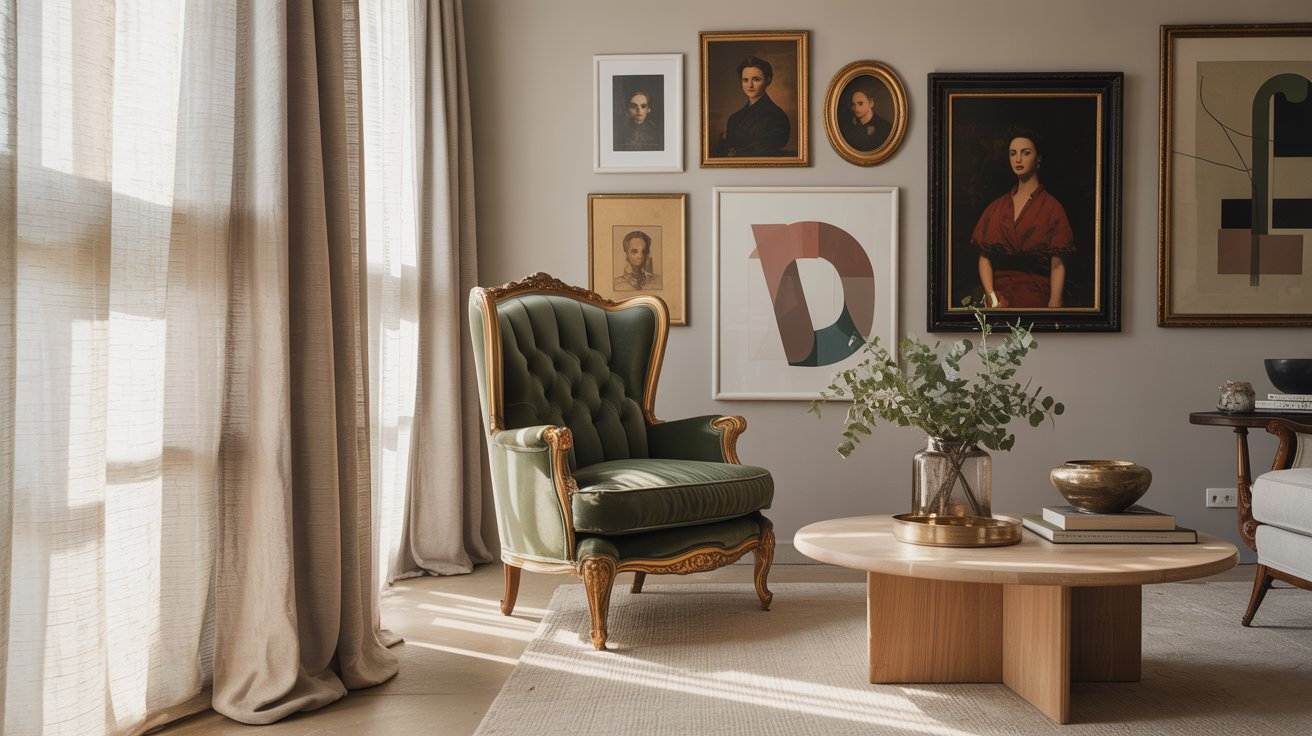
Creating interiors that combine classic and modern styles brings balance, charm, and a sense of personality to a home. This approach mixes timeless details with contemporary features to form spaces that feel elegant and current. Achieving this balance requires attention to proportion, material, and colour harmony. The result is an interior that feels both sophisticated and comfortable.
Understanding Classic and Modern Styles
Classic interiors often draw inspiration from traditional design elements such as detailed mouldings, symmetry, and rich textures. They express a sense of order and refinement through balance and craftsmanship.
Modern interiors, on the other hand, focus on clean lines, simplicity, and function. They remove unnecessary decoration and use space efficiently. Furniture often has smooth surfaces, geometric shapes, and neutral colours.
Combining these two styles requires a clear understanding of their visual differences. The key is to respect the identity of both while ensuring they complement rather than compete with each other.
Start with a Balanced Foundation
A successful mix of classic and modern styles begins with a neutral foundation. Walls in soft tones such as white, beige, or light grey allow both styles to stand out. Classic details like cornices or panelled doors can sit comfortably against minimalist furniture.
When designing interiors, aim for visual balance. If your space includes ornate architectural details, pair them with simple, structured furnishings. Conversely, if your home features plain walls and ceilings, you can introduce classic elements through décor such as chandeliers or framed mirrors.
Focus on Furniture Selection
Furniture plays a central role in blending classic and modern styles within any home or workspace. Classic furniture is recognised for its elegant curves, ornate details, and rich materials such as wood and leather, while modern furniture embraces straight lines, clean forms, and sleek materials like glass, metal, and plastic. When these styles meet, balance is essential, too much contrast can feel disjointed, yet a thoughtful mix creates harmony and visual appeal. For example, placing a minimalist glass table beneath a vintage chandelier or pairing a contemporary sofa with a carved wooden coffee table can beautifully showcase the charm of both eras.
This thoughtful approach to interior balance reflects the design philosophy of dRAW Architecture, a dynamic and innovative architectural and interior design practice based in South West London. Their work demonstrates how contrasting elements, old and new, bold and subtle can coexist seamlessly when guided by a unified design vision. Choosing one style as the dominant tone and letting the other play a supporting role helps maintain flow throughout the space. A modern setting enriched with a few timeless classics feels refined and warm, while a traditionally inspired interior with understated modern accents exudes freshness and sophistication, a perfect example of how dRAW Architecture redefines contemporary living spaces.
Pay Attention to Colour Harmony
Colour is an important tool for connecting classic and modern interiors. Classic styles often use deep and rich tones such as navy, burgundy, and forest green. Modern interiors rely more on neutral shades like white, grey, and black.
Combine these by selecting a neutral base and layering accent colours through accessories, textiles, or artwork. For example, a light grey wall can support both a traditional wooden cabinet and a sleek black lamp. Using consistent colour tones across styles ensures the space feels unified.
Avoid too many contrasting colours, as they can make the interior appear disjointed. Soft transitions between tones help create calm and visual consistency.
Combine Materials for Depth
Materials help express the blend of styles in interiors. Classic designs often feature natural materials such as wood, stone, and brass. Modern interiors favour glass, steel, and polished surfaces.
Mix these materials to create texture and depth. A marble countertop paired with metal stools or a wooden floor under minimalist lighting can link both styles naturally. The balance of warm and cool materials enhances the character of the space.
When mixing materials, ensure the finishes share a consistent quality. For example, combining polished wood with glossy metal creates a refined look, while rough wood with matte finishes feels casual and relaxed.
Use Lighting as a Connection
Lighting connects classic and modern elements effectively. Classic lighting often includes chandeliers or lamps with decorative bases. Modern lighting focuses on geometry, clean lines, and minimal ornamentation.
You can mix both by using statement pieces in key areas. A classic chandelier above a modern dining table creates a focal point. Similarly, sleek recessed lighting can highlight the texture of traditional wall panelling.
Select lighting with a consistent colour temperature to maintain visual balance. Warm light suits spaces that combine classic and modern elements, as it enhances comfort and visual unity.
Balance Decoration and Simplicity
Decoration adds personality, but moderation keeps interiors cohesive. Classic interiors often display art, ornaments, and patterned fabrics. Modern spaces use fewer decorative objects to highlight space and function.
When blending these approaches, keep only meaningful decorative pieces. One large artwork on a plain wall can replace several smaller frames. Combine vintage accessories with modern vases or abstract art for a balanced appearance.
Avoid filling every surface. Empty space is an important design element that allows both styles to breathe.
Create Visual Continuity Through Textiles
Textiles such as curtains, cushions, and rugs can link styles through pattern and texture. Classic designs often include floral or damask patterns, while modern designs prefer solid colours or geometric shapes.
Choose fabrics that share a common colour scheme. A neutral rug with a subtle pattern can work with both a modern sofa and a classic armchair. Mixing textures, such as velvet with linen, adds comfort while preserving harmony.
Use textiles to soften sharp modern lines and add warmth to cool materials like metal or glass. This creates a balanced atmosphere that feels inviting.
Use Art and Accessories to Express Style
Art and accessories offer the chance to personalise interiors. Modern art pieces can refresh a classic room, while framed historical prints can add depth to a modern space.
Select accessories that share similar tones or shapes. For instance, a modern sculpture can complement a traditional console table if their colours match. Small details like cushions, books, or candles help link the visual elements.
Limit the number of accessories to avoid clutter. A few chosen items can express style more effectively than many unrelated pieces.
Maintain Functional Simplicity
Classic and modern interiors differ in visual expression but share a focus on comfort and usability. Keep furniture placement practical and ensure movement within the room remains easy.
Avoid heavy layouts that limit flexibility. Modern design principles such as open space and light distribution enhance the usability of classic features.
Storage should remain discreet. Built-in units with clean lines can hold traditional items while maintaining a modern appearance.
Keep Proportions Consistent
Proportion influences how the mix of styles feels in interiors. Classic designs rely on symmetry, while modern design often breaks it intentionally.
Use proportion to achieve balance. Pair large, detailed items with simple pieces of similar scale. For example, if you have a large traditional armchair, place a low, modern side table beside it to create visual stability.
Do not overcrowd the space with large furniture. Allow breathing room around each item to maintain a sense of order.
Add Personal Character
The combination of classic and modern styles should reflect the homeowner’s personality. Include items that hold personal meaning, such as inherited furniture or contemporary art.
These details make interiors unique and authentic. Mixing emotional value with design creates a space that feels both familiar and stylish.
Conclusion
Blending classic and modern styles in interiors requires balance, clarity, and respect for both design languages. Neutral foundations, cohesive colour choices, and thoughtful furniture combinations create harmony between tradition and innovation.
By focusing on proportion, texture, and material contrast, any home can express the strength of both styles. The result is a timeless interior that feels elegant, practical, and welcoming.
This approach makes interiors dynamic and adaptable, allowing them to evolve naturally with time while maintaining a sense of lasting beauty.
 Daily Vibes